
When homeowners think about local lawn maintenance, the first things that usually come to mind are mowing, trimming, and edging. These are indeed the foundational elements that keep a yard looking tidy. Professional services go beyond just cutting the grass, though. They focus on proper techniques to ensure the lawn stays healthy and looks its best throughout the season.
The Importance of Regular Mowing Techniques
Regular mowing is more than just making the grass shorter. It’s about cutting it at the right height for the specific type of grass and the current season. Professionals know that never removing more than one-third of the grass blade at a time is key. This practice prevents shocking the grass and encourages thicker growth. Consistent mowing at the correct height is a cornerstone of healthy turf.
Precision Trimming and Edging for Crisp Lines
While the mower handles the broad areas, trimming and edging are where the details matter. String trimmers get the grass around obstacles like trees, fences, and garden beds. Edging creates those sharp, clean lines along sidewalks, driveways, and patios. This attention to detail makes a big difference in the overall appearance of the lawn, giving it a manicured look that homeowners often desire. It’s part of the core local lawn maintenance that truly makes a yard stand out.
Effective Debris Management and Clipping Options
After mowing, trimming, and edging, there’s always debris to manage. Professional lawn care services typically blow grass clippings off hard surfaces like driveways and walkways. They also have options for handling the clippings themselves. Depending on the lawn’s health and the season, clippings can be mulched back into the lawn to add nutrients, or they can be collected and removed entirely. This thoughtful approach to debris management is part of what makes professional local lawn maintenance so effective.
Beyond Basic Mowing: Essential Lawn Health Treatments
Strategic Fertilization for Optimal Growth
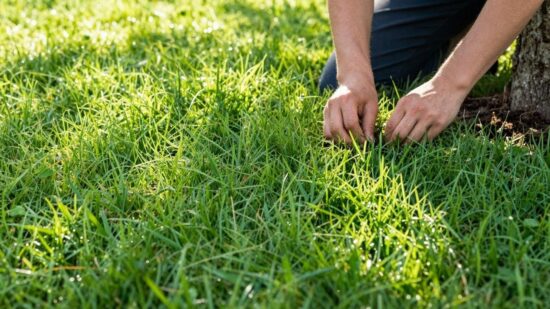
Getting the right nutrients to your grass is key. Fertilization isn’t just about making things green; it’s about building a strong foundation. A well-fed lawn can better handle stress from heat, drought, and foot traffic. Professionals often use soil tests to figure out exactly what your lawn needs, avoiding a one-size-fits-all approach. This targeted feeding helps grass grow thicker and healthier.
- Spring Feeding: Kickstarts growth after winter dormancy.
- Summer Feeding: Provides sustained energy during peak growing months.
- Fall Feeding: Prepares the lawn for winter and promotes root development.
Proper fertilization is a cornerstone of a healthy lawn, providing the necessary building blocks for resilience and vibrant color throughout the seasons.
Comprehensive Weed Control Strategies
Weeds compete with your grass for water, nutrients, and sunlight. Letting them take over can weaken your turf. Professional lawn maintenance includes proactive weed control. This often involves pre-emergent treatments to stop weeds before they even sprout and post-emergent applications to tackle existing invaders. They know which products work best for different types of weeds and when to apply them for maximum effect. Effective weed control keeps your lawn looking neat and tidy.
- Pre-emergent herbicides: Applied in early spring to prevent weed seeds from germinating.
- Post-emergent herbicides: Used to kill weeds that have already appeared.
- Manual removal: For targeted spot treatment of stubborn weeds.
Pest Management and Disease Prevention
Grubs, chinch bugs, and various fungal diseases can quickly turn a beautiful lawn into a mess. Identifying these problems early is important. Professionals are trained to spot the signs of common lawn pests and diseases. They can then implement targeted treatments to get rid of them and prevent future outbreaks. This proactive approach saves your lawn from significant damage and costly repairs down the line. Pest management is a vital part of keeping your lawn healthy.
- Grub control: Protects roots from damaging soil insects.
- Fungicide applications: Prevents and treats common lawn diseases like brown patch.
- Insect monitoring: Regular checks for early signs of infestation.
Specialized Treatments for a Superior Lawn
Core Aeration for Reduced Soil Compaction
Core aeration is a process that helps your lawn breathe. It involves pulling small plugs of soil out of the ground. This makes it easier for air, water, and nutrients to reach the grass roots. If your soil is packed down tight, especially from lots of walking or playing, core aeration can make a big difference. It’s a key step for a healthier lawn.
- Relieves soil compaction
- Improves water and nutrient uptake
- Promotes deeper root growth
Core aeration is often overlooked, but it’s a game-changer for lawns struggling with dense soil.
Overseeding to Thicken Existing Turf
Overseeding is about making your lawn fuller. It means spreading new grass seed over your existing lawn. This is especially helpful if your grass is thin or has bare spots. When done after core aeration, the new seeds can settle into the soil plugs, giving them a better chance to grow. This process helps introduce stronger grass types too.
Dethatching for Better Air and Water Penetration
Dethatching removes a layer of dead grass and debris that builds up on your lawn. This layer, called thatch, can block sunlight, air, and water from getting to the soil. Too much thatch can also create a good environment for pests and diseases. Removing it allows your lawn to get what it needs to stay healthy and green. Dethatching is another specialized treatment that homeowners often forget about but is vital for lawn health.
The Role of Professional Equipment and Expertise
Commercial-Grade Equipment for Cleaner Cuts
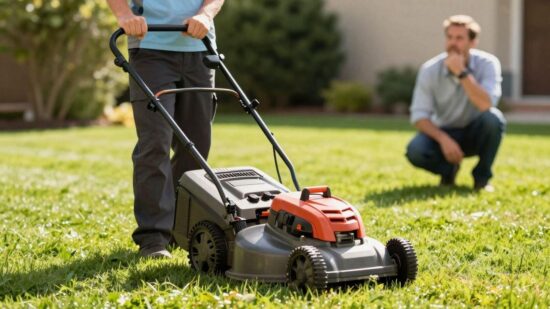
Homeowners often underestimate the impact of equipment. Using commercial-grade mowers means a cleaner cut for your grass. This type of equipment is built tough and designed for efficiency. Better equipment leads to a healthier lawn that looks great. It’s not just about aesthetics; cleaner cuts help grass blades heal faster, reducing the risk of disease. This is a key difference when comparing DIY efforts to professional lawn maintenance.
Technician Inspections and Issue Identification
Beyond just mowing, professionals bring a trained eye. During each visit, technicians inspect your lawn for early signs of trouble. This could be anything from pest infestations to nutrient deficiencies. Catching these problems early saves homeowners time and money down the line. They can spot issues that the average homeowner might miss, making professional lawn maintenance proactive rather than reactive.
Benefits of Professional Training and Certification
Professional lawn care providers invest in their staff. This means technicians often have training and certifications in horticulture and lawn care best practices. They understand soil science, grass types, and the best treatments for common lawn problems. This knowledge base is hard to replicate with a few online searches. It’s this specialized knowledge that separates good lawn care from great lawn care, ensuring your lawn gets the right treatment at the right time.
Seasonal Considerations in Local Lawn Maintenance
Spring Preparations for a Strong Growing Season
Spring is when your lawn shakes off winter’s sleep. Early tasks focus on clearing away debris like soggy leaves and twigs that can block sunlight and encourage fungal issues. Getting the timing right for pre-emergent weed control is key, often around when soil temperatures hit 55°F. This application helps prevent weeds from taking over later. As the grass starts growing, regular mowing becomes important, and the first fertilizer application gives it a needed boost after dormancy. Spring is also an ideal time for major lawn repairs, including overseeding bare spots and addressing soil compaction with core aeration, taking advantage of the cool, moist conditions.
Summer Strategies for Heat Survival
Summer lawn care shifts from promoting growth to helping grass survive the heat. Deep, infrequent watering is the foundation here; most homeowners water too often and too shallow, leading to weak roots. Aim for about an inch of water per week, delivered deeply. Raising your mowing height to around 3 inches acts like a sun hat for your grass, shading the soil, reducing evaporation, and encouraging stronger root systems. Mulching grass clippings back into the lawn can provide up to 25% of the grass’s nitrogen needs and helps retain moisture. During heat waves, it’s best to reduce foot traffic on stressed areas and avoid fertilizing when temperatures consistently exceed 85°F. Sometimes, letting the lawn rest is the best strategy.
Fall Cleanup and Winter Preparation
Fall is a critical time for lawn health and setting the stage for next year. Core aeration in September or October helps relieve soil compaction from summer, allowing air, water, and nutrients to reach the root zone. Combining aeration with overseeding is a powerful way to thicken existing turf and repair damage. Applying a potassium-rich fertilizer acts like a winter coat, strengthening cell walls and improving cold tolerance. Continue mowing until growth stops, gradually lowering the cutting height for the last few mows. Grass that’s too long going into winter can mat down, creating potential disease problems. Proper fall preparation makes a significant difference in how your lawn emerges next spring.
Choosing the Right Local Lawn Maintenance Provider
Verifying Licensing and Insurance
When looking for a local lawn maintenance service, the first step is to check their credentials. Proper licensing and insurance are non-negotiable. This protects you if any accidents happen on your property. A legitimate company will readily show you proof of their insurance and any required pesticide application licenses. It’s a simple check that can save a lot of trouble later on.
Understanding Contracts and Pricing Structures
Take a close look at any contract before signing. Pay attention to how often they plan to visit your property. Most services schedule visits every week or so during the busy growing season, then adjust as needed. Also, understand the auto-renewal terms; most contracts renew automatically unless you give notice by a certain date. Make sure the pricing is clear, too. You want to know exactly what’s included in the basic service and what costs extra. Transparent pricing means no surprises.
The Value of Online Reviews and Testimonials
Online reviews can offer a good glimpse into a company’s reputation. Look for consistent feedback from customers. Do they show up on time? How well do they communicate? Are they quick to respond if there’s an issue? These details matter. A good local lawn maintenance provider will have a track record of happy clients. Reading what others say can help you make a more informed decision about who to trust with your yard.
Choosing a provider is more than just picking someone to cut the grass. It’s about finding a partner who understands your lawn’s needs and respects your property. Don’t rush this decision; a little research goes a long way.
Wrapping Up Your Lawn Care Journey
So, when it comes to keeping your yard looking its best, it’s clear that professional lawn maintenance is more than just a quick mow. It’s a whole system, from the right tools and timing to knowing what your grass actually needs. Many homeowners might overlook things like aeration or proper fertilization, but these steps really make a difference. Thinking about it, getting a pro involved means you get that great-looking lawn without all the weekend work and guesswork. It’s about enjoying your yard more and letting the experts handle the heavy lifting.