

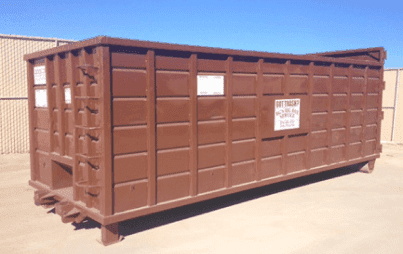
Not every construction project is a long-term build or multi-phase renovation. Contractors are frequently tasked with one-time events such as interior demolitions, structural removals, site cleanups, equipment replacements, or short-duration improvement projects. These concentrated efforts generate significant debris in a compressed timeframe, making roll-off dumpster rentals a practical and necessary component of execution.
For contractors managing single-event construction work, understanding how temporary waste solutions function helps ensure the project runs efficiently from mobilization to final cleanup.
Understanding the Nature of One-Time Construction Events
One-time construction events are typically defined by short duration and focused scope. Examples include:
- Removing and replacing a commercial storefront
- Demolishing a specific interior area
- Performing equipment upgrades in a facility
- Clearing a site prior to development
- Conducting emergency repair or restoration work
These projects generate high debris volume quickly, often within a single day or weekend. Because work is compressed, waste removal must be coordinated just as tightly as labor and material delivery.
Debris Generation Happens Fast
Unlike ongoing projects where debris accumulates gradually, one-time construction events often produce waste in a single burst. Interior demolition, for example, can fill a container within hours.
Without an onsite dumpster ready at the start of work, debris may pile up in staging areas, blocking access and slowing crews. Scheduling delivery prior to demolition ensures that materials can be removed immediately rather than temporarily relocated multiple times.
Timing Is Critical for Short-Duration Projects
Because these events are often scheduled within narrow windows—sometimes after business hours or during limited access periods—delivery and pickup timing becomes especially important.
Contractors should coordinate:
- Exact delivery dates and times
- Anticipated removal windows
- Access restrictions for trucks
- Site clearance before and after the event
Even a brief delay in container arrival can affect project sequencing. Advanced scheduling helps minimize risk.
Choosing the Appropriate Container Size
For one-time construction events, selecting the correct dumpster size is essential. An undersized container may require emergency hauling mid-project, while an oversized one can create unnecessary cost or placement challenges.
Factors to consider include:
- Type of materials being removed
- Density and weight of debris
- Available placement space
- Duration of the project
Because debris is generated quickly, contractors should account for peak output rather than average volume.
Managing Heavy or Specialized Materials
Some one-time events involve heavy materials such as concrete, brick, or roofing. These materials can reach weight limits before filling the container.
Contractors should clarify weight allowances and ensure loading practices distribute materials evenly. Understanding how weight influences transport avoids unexpected delays at pickup.
Placement Considerations on Active Sites
One-time events often occur in active commercial or residential settings. Placement must allow safe loading without interfering with surrounding operations.
Ideal placement:
- Minimizes carrying distance for crews
- Preserves access for other trades or occupants
- Maintains clear traffic paths
- Protects pavement or landscaping
Proper positioning supports efficient debris flow and reduces rehandling.
Supporting Clean, Organized Work Areas
Short-duration construction work benefits from continuous cleanup. As debris is removed immediately, the work zone remains clearer and safer.
This is particularly important for projects in occupied buildings where dust, debris, and obstructions must be managed carefully. Keeping waste contained within a roll-off dumpster helps maintain professional standards and reduce disruption.
Coordinating with Other Project Elements
One-time construction events often involve multiple moving parts: subcontractors, inspectors, equipment rentals, and delivery schedules. Waste removal should be integrated into the overall coordination plan rather than treated as an afterthought.
By aligning dumpster delivery with demolition start times and removal with project closeout, contractors reduce the risk of leftover debris extending beyond the event window.
Minimizing Site Downtime After Completion
After a one-time construction event, many sites must return quickly to normal operation. Leaving debris onsite can delay reopening or handoff.
Prompt pickup ensures the area is restored to usable condition. Contractors who schedule removal in advance support smoother transitions back to occupancy or operation.
Avoiding Repeated Disposal Trips
For short projects, some contractors consider hauling debris manually to disposal facilities. While this may seem efficient for small scopes, repeated trips consume labor hours and introduce transportation risk.
Roll-off dumpster rentals consolidate disposal into a single container, reducing labor diversion and allowing crews to remain focused on core tasks.
Planning for Unexpected Scope Expansion
Even single-event projects can expand once work begins. Hidden structural elements or additional material removal may increase debris volume.
Having sufficient capacity or flexibility to schedule an additional haul helps prevent workflow interruptions. Planning with a margin for unexpected waste supports smoother execution.
Working with Temporary Waste Providers
Because one-time construction events require short-term, high-intensity service, contractors often rely on providers that specialize in temporary solutions.
Many coordinate with services such as Temporary Dumpster to align container delivery and pickup precisely with event timing. Working with experienced providers helps ensure availability, compliance with local regulations, and reliable service windows.
Cost Predictability and Budget Planning
In one-time construction events, waste removal is typically a defined line item. Clear understanding of rental duration, weight allowances, and potential overages supports more accurate budgeting.
When waste planning is handled early, contractors avoid last-minute adjustments that can erode project margins.
Roll-off dumpster rentals play a critical role in one-time construction events. These short-duration projects generate concentrated debris that must be managed efficiently to maintain workflow and meet tight schedules.
By selecting the appropriate container size, coordinating delivery and pickup carefully, and integrating waste removal into the overall project plan, contractors can execute one-time events with fewer disruptions. When debris management is aligned with the compressed nature of these projects, roll-off dumpsters support organized, predictable outcomes from mobilization through final cleanup.