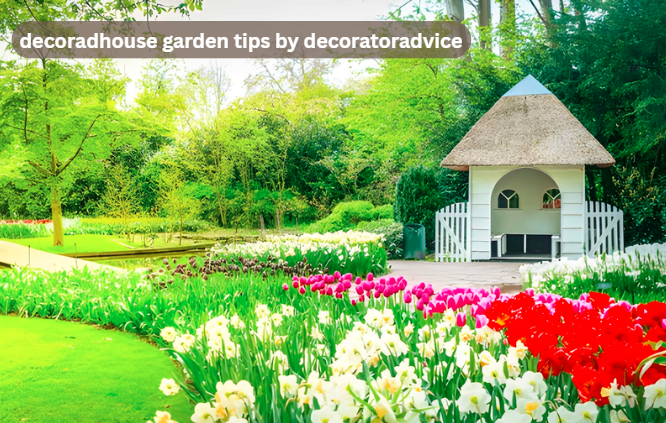

One of the biggest joys of small-home living is the outdoor space. Whether you have a compact yard, a garden border, raised beds, or just a few carefully planned planting areas, your yard often becomes an extension of your living space.
But gardens and pests tend to arrive together. The same things that help plants thrive also attract insects and animals looking for food, water, and shelter. For people living in tiny homes or smaller properties, even a minor pest issue can feel amplified because outdoor areas are used more intentionally and more often.
The good news is that keeping your yard healthy and keeping pests under control do not have to be opposing goals. With thoughtful gardening practices and informed pest prevention, it is possible to create a yard that supports plants without inviting unwanted guests.
Why Gardens Attract Pests in the First Place
Gardens are naturally appealing to pests because they offer three essentials: food, moisture, and shelter.
Overwatered soil attracts mosquitoes and ants. Fallen fruit draws rodents. Dense vegetation provides hiding spots for insects and wildlife. None of this means you are doing something wrong. It simply means your yard is functioning exactly as nature intended.
The key is learning how to manage those conditions in a way that still supports healthy plant growth.
Start With Smarter Watering Habits
Water is one of the biggest contributors to pest activity, especially in warm climates.
Standing water creates breeding grounds for mosquitoes, while consistently damp soil can attract ants and other insects. Many gardeners water more than necessary out of habit rather than plant need.
Try watering early in the morning so moisture has time to absorb and evaporate. Avoid puddling and pay attention to drainage around planters and garden beds. Fix leaking hoses and keep gutters clear so water does not collect near your home.
Healthy plants need water, but pests thrive on excess.
Choose Plants That Naturally Discourage Pests
Some plants actively repel insects and animals, which makes them excellent additions to small yards and garden borders.
Herbs like basil, rosemary, mint, and lavender are known for deterring mosquitoes and flies. Marigolds help repel certain insects and nematodes. Lemongrass and citronella plants are commonly used in outdoor living areas to reduce mosquito presence.
Incorporating these plants into your garden design allows you to manage pests while adding beauty and fragrance to your space.
Keep Garden Beds and Borders Well Maintained
Overgrown gardens may look lush, but they also create ideal hiding spots for pests.
Regular pruning improves airflow and reduces moisture buildup. Removing dead leaves and plant debris eliminates places where insects and rodents like to nest. Mulch is helpful for soil health, but too much can trap moisture and attract pests.
Aim for balance. A tidy garden is not a sterile one, but it should feel intentional rather than neglected.
Be Mindful of Compost and Organic Waste
Composting is popular among tiny house owners and gardeners, but it needs to be managed carefully.
Food scraps left uncovered can attract rodents, ants, and flies. Compost bins should be sealed properly and placed away from the home when possible. Turning compost regularly helps break down materials faster and reduces odor.
If pests are consistently drawn to your compost, consider switching to enclosed systems or limiting certain food waste items.
Watch for Early Signs of Pest Activity
One advantage of small yards is that problems are easier to spot early.
Look for ant trails, chewed leaves, burrows, or increased insect activity around certain plants. Addressing issues when they first appear prevents larger infestations later.
Sometimes pest problems are not caused by the garden itself, but by conditions around the yard such as gaps near foundations, wood piles, or dense shrubbery close to the home.
When Gardening Alone Is Not Enough
Even with good habits, some pest issues require professional insight. Climate, soil conditions, and regional pest behavior all play a role in what works and what does not.
In researching best practices, many homeowners and gardeners turn to professionals for guidance. Advice from Turner Pest Control in Jacksonville often emphasizes prevention over reaction, encouraging yard designs and maintenance routines that reduce pest pressure without compromising outdoor enjoyment.
Professional input can help identify problem areas you might overlook and recommend targeted solutions that align with your gardening goals.
Designing a Yard That Supports Outdoor Living
For tiny house owners, the yard is often where life expands. It becomes a place to relax, entertain, grow food, and connect with nature.
A pest-free yard supports that lifestyle by making outdoor spaces comfortable and inviting. When pests are under control, gardens feel more rewarding and outdoor time feels less stressful.
Thoughtful plant selection, proper watering, regular maintenance, and informed prevention strategies all contribute to a yard that works with nature instead of against it.
Creating a Space You Actually Want to Use
Gardening should be enjoyable, not a constant battle. When your yard feels balanced and manageable, it becomes a place you want to spend time rather than something that adds to your to-do list.
A healthy yard does not happen by accident. It grows from small, consistent choices that support both plants and people. With the right approach and guidance when needed, even the smallest outdoor spaces can remain vibrant, productive, and free from unwanted pests.