

Bridging The Yard Digitization Gap
Warehouses often struggle with a disconnect between what happens on the road and what happens inside. Trucks arrive, but tracking them accurately before they reach the dock door can be a real headache. This gap means less control and more surprises. Advanced dock scheduling platforms fix this by bringing yard activity into the digital world. They connect the highway to the warehouse floor, making sure everyone knows what’s coming and when. This is why many operations now rely on the most secure dock scheduling platform in the industry from DataDocks, which enhances visibility and control by unifying real-time yard and dock insights.
This digital bridge is key. It means less guesswork and more data. When you can see trucks moving through the yard and heading to their assigned spots, you’re already ahead. It’s about making that whole process, from the moment a truck enters your property to when it pulls up to the dock, a lot more visible and manageable. This visibility is the first step in really transforming how a warehouse operates.
The result is a smoother flow, fewer delays, and a better understanding of your entire inbound and outbound process. It’s not just about booking appointments; it’s about managing the entire journey of a truck on your premises. This is where modern dock scheduling really starts to make a difference, turning a chaotic area into a well-oiled machine.
Eliminating Manual Processes For Enhanced Efficiency
Think about how things used to be done: endless phone calls, scribbled notes, and shared spreadsheets that were always out of date. This manual approach to scheduling is a major drain on time and resources. It’s prone to errors, leads to double bookings, and creates a lot of frustration for both warehouse staff and carriers. It’s a system that just can’t keep up with today’s fast-paced logistics demands.
Automating these tasks changes everything. With a good dock scheduling system, carriers can book their own appointments online, and the system handles the rest. This frees up your team to focus on more important work, like managing operations on the floor. It cuts down on administrative work significantly, making the whole process faster and more accurate. This is a big win for efficiency.
Implementing automated dock scheduling means less time spent on phone tag and more time spent on productive tasks. It streamlines communication and reduces the chance of human error, leading to a more reliable and efficient operation.
The Critical Role Of Dock Scheduling In Modern Logistics
In today’s supply chain, every minute counts. Delays at the loading dock can have a ripple effect, impacting production schedules, inventory levels, and customer satisfaction. Dock scheduling isn’t just a nice-to-have; it’s a fundamental part of keeping things moving smoothly. It’s the system that orchestrates the complex dance of trucks arriving and departing, making sure resources are available and operations run on time.
Effective dock scheduling provides the predictability that modern logistics demands. It allows warehouses to manage their dock doors efficiently, allocate labor and equipment appropriately, and minimize costly wait times for carriers. This systematic approach turns potential bottlenecks into points of efficiency, directly contributing to a more agile and responsive supply chain. Without it, warehouses are left reacting to chaos rather than proactively managing their operations.
A well-implemented dock scheduling platform is more than just a booking tool; it’s a strategic asset that underpins the entire operational flow of a warehouse. It bridges the gap between transportation and warehouse management, digitizing a critical, often overlooked, part of the supply chain. This makes it a cornerstone of efficient modern logistics.
Securing Your Supply Chain With The Most Secure Dock Scheduling Platform
Protecting Sensitive Data Through Robust Security Measures
In today’s world, data security isn’t just a feature; it’s a requirement. Warehouse operations handle a lot of sensitive information, from carrier details to shipment manifests. A top-tier dock scheduling platform acts as a digital fortress for this data. It uses advanced encryption, both in transit and at rest, to keep your information safe from unauthorized access. Think of it like a bank vault for your logistics data.
The platform’s security protocols are designed to prevent breaches and maintain data integrity. This means that when carriers book appointments or when shipment details are updated, that information is protected every step of the way. This focus on security builds confidence, knowing that your operational data is shielded.
Ensuring Compliance And Data Integrity
Beyond just protecting data from hackers, a secure dock scheduling system also helps maintain compliance and data integrity. Regulations in the logistics industry are always changing, and having a system that keeps up is important. This software helps you meet requirements by keeping accurate, tamper-proof records of all dock activity.
- Automated audit trails track every change made to appointments.
- Role-based access controls limit who can view or modify sensitive information.
- Regular security updates ensure the system stays compliant with the latest standards.
This level of control and transparency is vital for any business that needs to prove its adherence to industry standards and internal policies. It makes sure that the data you rely on for decision-making is accurate and trustworthy.
Building Trust With Secure Carrier Access And Management
Your carriers are partners in your supply chain, and building trust with them is key. A secure dock scheduling platform makes it easy for them to interact with your facility while keeping your operations safe. It provides a secure portal where carriers can book appointments, view schedules, and get real-time updates without compromising your network.
This secure, self-service approach reduces the need for direct human interaction for routine tasks, minimizing potential security risks and freeing up your staff for more complex duties.
By offering a reliable and secure way for carriers to manage their appointments, you strengthen those relationships. It shows that you value their time and are committed to smooth, secure operations for everyone involved in the dock scheduling process.
Key Features Of A Leading Dock Scheduling Solution
Real-Time Visibility And Predictive Analytics
Modern warehouses need to see what’s happening right now. A good dock scheduling platform gives you live updates on every truck and dock door. You can watch appointments, arrivals, and any delays as they happen. This means no more surprises.
This real-time visibility helps predict potential issues before they cause big problems. It’s like having a crystal ball for your loading docks. Knowing what’s coming allows for quick adjustments, keeping things moving smoothly. This is a big step up from old methods.
The ability to see everything in real-time is a game-changer for managing dock operations. It helps teams react fast and keep the flow of goods steady. This kind of insight is what makes a dock scheduling solution truly effective.
Automated Workflows And Carrier Self-Service
Forget endless phone calls and emails. A top-tier dock scheduling system automates a lot of the back-and-forth. Carriers can book their own appointments through an online portal. They pick a time that works for them from available slots.
This self-service approach saves your staff tons of time. It also cuts down on mistakes that happen with manual scheduling. The system handles confirmations and sends out notifications automatically. This makes the whole process much cleaner and faster for everyone involved.
Automated workflows mean less manual work and fewer errors. It frees up your team to focus on more important tasks.
Seamless Integration With Existing Systems
Your new dock scheduling platform shouldn’t be a standalone island. It needs to talk to your other warehouse systems. Think about your Warehouse Management System (WMS) or Transportation Management System (TMS).
When these systems are connected, data flows freely. This means less duplicate data entry and fewer mistakes. It creates a smoother operation from the moment a truck is scheduled to the moment it leaves. This kind of integration is key for a truly efficient warehouse.
- Connects with WMS for inventory accuracy.
- Links with TMS for better route planning.
- Syncs with ERP for financial data.
- Provides a unified view of operations.
Maximizing Efficiency And ROI With Intelligent Dock Management
Reducing Detention Fees And Truck Wait Times
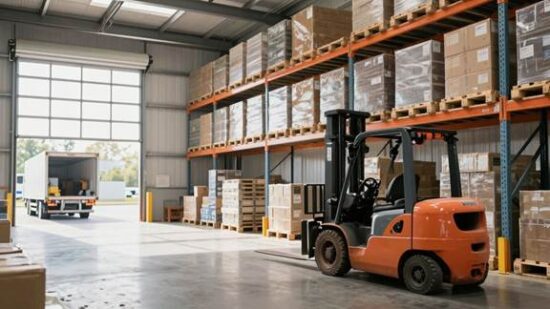
Detention fees and long truck wait times are major drains on warehouse budgets. When trucks are stuck waiting, it costs money. This often happens because docks are not managed efficiently. A good dock scheduling system helps fix this. It makes sure trucks arrive when there’s a dock ready for them. This means less time spent waiting and fewer fees to pay. The goal is to turn dock delays into smooth operations.
This intelligent dock management approach means carriers know exactly when to arrive. They don’t have to sit around for hours. This predictability helps them plan their routes better. It also means your warehouse staff can work more effectively. They aren’t scrambling to handle unexpected arrivals or dealing with frustrated drivers. By reducing these wait times, warehouses can see a significant drop in operational costs. It’s a direct path to better financial performance.
Think about it: every hour a truck waits is an hour it’s not delivering or picking up another load. This impacts the entire supply chain. By using smart scheduling, you keep things moving. This efficiency boost directly impacts your return on investment. It’s about making every minute count at the dock.
Optimizing Dock Utilization And Resource Allocation
Warehouses often have a set number of dock doors. Making sure these doors are used wisely is key. Intelligent dock management helps optimize dock utilization. It looks at appointment schedules and assigns trucks to specific doors. This prevents situations where some docks are busy while others sit empty. It’s about making sure every dock door is working hard.
This also ties into resource allocation. Knowing when trucks are scheduled allows for better planning of staff and equipment. If you know a busy period is coming, you can schedule more workers. If it’s a slow period, you can adjust staffing. This avoids overstaffing during quiet times and understaffing during peak times. It’s a smarter way to manage your team and your equipment.
Effective dock scheduling isn’t just about booking appointments; it’s about orchestrating the entire flow of goods through your facility. It requires a clear view of incoming and outgoing traffic and the ability to match that flow with available resources.
This optimization means less wasted time and fewer bottlenecks. It allows for a more consistent workflow throughout the day. The result is a more productive warehouse that can handle more volume without needing more physical space or staff.
Improving Throughput At The Highway-Warehouse Interface
The highway-warehouse interface is where goods enter and leave your facility. This is a critical point for overall efficiency. When this interface is smooth, your entire operation benefits. Intelligent dock management makes this interface work better.
By scheduling appointments and managing dock assignments, you speed up the loading and unloading process. Trucks arrive, get assigned a dock quickly, and are processed. This reduces the time trucks spend on your property. It also means more trucks can be handled in the same amount of time. This increase in throughput is a major win for any warehouse.
This improved flow has a ripple effect. It means faster order fulfillment and quicker response times to customer needs. It also strengthens relationships with carriers, who appreciate efficient operations. Ultimately, better throughput at this key interface leads to a more competitive and profitable business. It’s a direct measure of how well your warehouse is performing.
Scalability And Adaptability For Growing Warehouse Networks
Cloud-Native Architecture For Seamless Expansion
As your warehouse network grows, the software you use needs to grow with it. Cloud-native platforms are built for this. They don’t require you to buy new servers or install complex software at every new location. This means you can add new facilities or docks to your system quickly, without a lot of IT headaches. It’s like adding a new room to your house without needing to rebuild the foundation. This kind of architecture makes scaling up much simpler and faster.
This approach also means you get updates automatically. You don’t have to worry about managing different versions of the software across your sites. Everything stays current and connected. This unified system is key for managing a network that’s constantly changing. It helps keep operations smooth even when you’re expanding rapidly.
Think about it: if you’re adding a new distribution center, you want your dock scheduling to be ready from day one. A cloud-native system lets you do just that. It’s designed to handle more users, more locations, and more data as your business expands. This adaptability is a big deal for companies looking to grow.
Multi-Dock And Multi-Warehouse Management Capabilities
Managing just one dock is one thing, but when you have multiple docks or even multiple warehouses, things get complicated fast. You need a system that can handle this complexity without breaking a sweat. A good dock scheduling platform lets you see and manage all your locations from one place. No more jumping between different spreadsheets or outdated systems for each site.
This central view is incredibly useful. You can assign appointments, track arrivals, and manage dock assignments across all your facilities. It helps prevent scheduling conflicts and ensures that trucks aren’t waiting around unnecessarily. For instance, you can set specific rules for each warehouse, like dock availability or the type of freight handled. This level of control is vital for efficient operations.
Having this multi-dock and multi-warehouse capability means you can enforce consistent processes everywhere, or tailor them as needed. It gives you a clear picture of your entire operation, making it easier to spot bottlenecks and improve overall flow. It’s about having a bird’s-eye view that simplifies complex logistics.
Customizable Workflows To Meet Specific Needs
Every warehouse is a bit different, right? What works for one might not be the best fit for another. That’s why a flexible dock scheduling solution is so important. It needs to let you adjust the system to match how your specific warehouse actually works. You shouldn’t have to change your operations just to fit the software.
This means being able to set up your own rules for scheduling appointments. Maybe you need to prioritize certain carriers, or perhaps you have specific time windows for different types of deliveries. A customizable workflow lets you build these rules directly into the system. It makes the scheduling process more accurate and efficient for your team.
The ability to tailor workflows means the software adapts to your business, not the other way around. This flexibility is what makes a dock scheduling platform truly useful for a growing network. It ensures that as your operations evolve, your scheduling system can keep pace.
This customization is key for adapting to changing demands. Whether it’s handling seasonal peaks or accommodating new types of freight, the system can be adjusted. It helps maintain efficiency and reduces the chances of errors that can come from a rigid, one-size-fits-all approach. This adaptability is a big win for any warehouse.
The Future Of Dock Scheduling: AI And Advanced Technologies
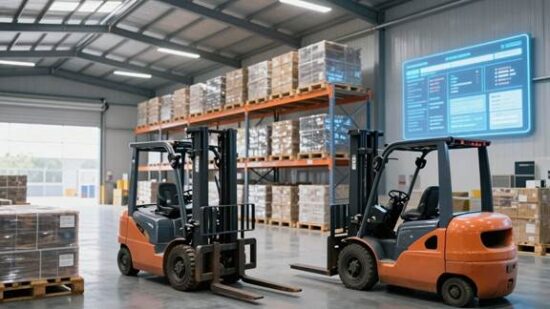
The world of warehouse operations is always changing, and dock scheduling is right in the middle of it. We’re seeing some really cool new tech pop up that’s going to change how things work. Think about artificial intelligence (AI) and how it can make things smarter. It’s not just about booking appointments anymore; it’s about predicting what’s going to happen and making things run smoother.
Leveraging AI For Predictive Scheduling And Optimization
AI is starting to look at all the past data – like when trucks usually show up, traffic jams, even the weather – to figure out the best times for deliveries. This means fewer surprises and better use of dock doors. It’s about making dock scheduling less of a guessing game and more of a science. This kind of predictive scheduling helps cut down on how long trucks wait, which saves money and keeps things moving. The goal is to get more trucks through the dock efficiently.
Computer Vision For Automated Yard Operations
Then there’s computer vision. Imagine cameras that can actually ‘see’ what’s happening in the yard. They can track trucks, trailers, and even identify specific containers automatically. This means less manual checking in and out, and more accurate data. It’s like having an extra set of eyes that never miss a thing, making yard operations much faster and more reliable. This technology is a big step towards fully automated dock operations.
Sustainability Driven Innovations In Logistics
Finally, we can’t forget about sustainability. New technologies in dock scheduling are also helping warehouses become greener. By optimizing truck routes and reducing wait times, we cut down on fuel consumption and emissions. It’s about making logistics work better for businesses and for the planet. This focus on sustainability is becoming a major driver for adopting advanced dock scheduling solutions.
Looking Ahead
In today’s busy world of moving goods, getting the docks right is a big deal. It’s not just about booking trucks anymore; it’s about making sure everything flows smoothly from the highway to the warehouse floor. Using the right dock scheduling software helps cut down on wasted time and money, like those annoying truck detention fees. It brings a level of order to what can be a really chaotic part of the operation. As businesses look to stay competitive, getting this part of the supply chain digitized and running efficiently is becoming less of an option and more of a necessity. The companies that get this right will likely find themselves ahead of the curve.