

Understanding Silica Sand Composition
Silica sand, primarily silicon dioxide (SiO₂), is more than just a common mineral; it’s a foundational material for many industries. Its basic form is abundant globally, but finding deposits with the right composition for high-value uses is another story. The journey from raw sand to a refined industrial component involves careful extraction and processing.
This material’s simple chemical structure, SiO₂, belies its complex role. While many rocks contain silica, only specific geological formations yield sand with the purity and grain characteristics needed for advanced applications. Understanding the source and natural makeup of silica sand is the first step in appreciating its industrial significance.
Extraction methods vary, from open-pit mining to dredging, depending on the location and deposit type. The goal is always to obtain a material that, with minimal processing, can meet stringent industrial requirements. This initial stage sets the stage for everything that follows.
Purity: The Key Differentiator for High-Value Applications
What truly sets industrial silica sand apart is its purity. For many applications, especially in electronics and advanced glass, even small amounts of impurities like iron or aluminum can be detrimental. High-purity silica sand, often exceeding 99% SiO₂, is what enables the performance we expect from modern technology.
Think of it like this: using impure silica in solar panels can reduce their efficiency, and in semiconductors, it can lead to outright failure. The difference between standard sand and high-purity silica is the difference between a functional product and a flawed one. This purity is not just a preference; it’s a requirement.
Achieving this level of purity often involves sophisticated processing techniques. However, sourcing naturally low-impurity deposits significantly reduces the need for intensive refining, making the process more efficient and cost-effective. This focus on purity is what unlocks silica’s potential in demanding fields.
Global Availability and Extraction Challenges
While silica sand is found worldwide, deposits yielding high-purity material are geographically concentrated. This uneven distribution creates logistical and economic challenges for industries reliant on this specific grade of SiO₂. Sourcing consistent, high-quality silica requires careful planning and often involves international trade.
Extraction itself comes with environmental considerations. Responsible mining practices are vital to minimize impact and ensure land can be restored post-operation. Balancing the demand for this resource with ecological stewardship is an ongoing challenge for the industry.
Furthermore, the processing required to achieve the necessary purity can be energy-intensive and complex. Developing efficient and sustainable purification methods is key to meeting the growing global demand for high-grade silica sand without undue environmental cost.
Enhancing Glass Manufacturing with High Purity Silica
Achieving Crystal Clear Quality in Glass Products
Glassmaking relies heavily on silica sand, and its purity makes a big difference. When you use high-purity silica, you get better control over the final product. This means clearer glass, stronger glass, and glass with just the right color. It’s the main ingredient for everything from simple bottles to complex lenses.
Think about it like baking. If your flour has bits of dirt in it, your cake won’t turn out right. The same goes for glass. Impurities in the silica sand can cause bubbles, streaks, or discoloration. Using clean, high-grade silica sand means fewer problems in the furnace and a better product coming out.
The cleaner the silica, the more predictable the glass. This consistency is key for manufacturers who need to meet specific quality standards for their products, batch after batch. It’s all about getting that perfect, clear finish.
Controlling Strength, Clarity, and Color
The quality of the silica sand directly impacts the physical and visual properties of glass. Low-iron silica, for instance, is vital for producing flat glass used in car windows and buildings, where clarity is paramount. Without it, you might get a greenish tint that’s undesirable.
For glassware and tableware, the smoothness and eye-catching appearance are important. High-purity silica helps achieve these qualities, making products look elegant and feel good in the hand. Even for tough applications like glass fiber used in roofing and transportation, the right silica grade ensures it can handle harsh conditions.
The difference between standard silica and high-purity silica isn’t just about appearance; it’s about performance. It dictates how well the glass will hold up, how transparent it will be, and its overall aesthetic appeal.
Applications in Flat, Float, and Specialty Glass
High-purity silica sand is the backbone of many glass types. For flat and float glass, which includes automotive windows and construction materials, low-iron industrial sand is the go-to choice. This ensures maximum transparency and durability.
Specialty glass applications also demand high-grade silica. This can range from optical glass used in cameras and telescopes to engineered quartz for scientific equipment. The precise control over composition offered by pure silica is non-negotiable in these fields.
- Flat Glass: Windows, windshields, building facades.
- Float Glass: Automotive, architectural.
- Specialty Glass: Lenses, scientific instruments, decorative items.
Ultimately, the consistent chemistry and particle size of high-purity silica allow manufacturers to push the boundaries of what’s possible with glass, creating materials that are both beautiful and functional.
Powering Renewable Energy Through Silica
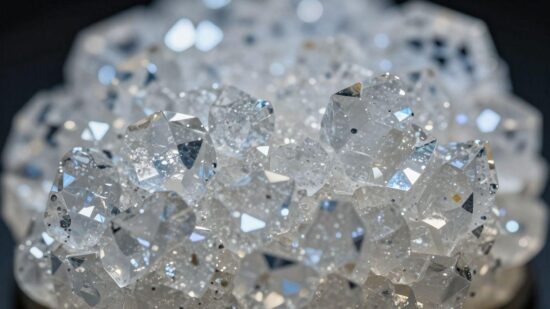
Essential Component for Solar Photovoltaic Cells
High-purity silica, or SiO₂, is a main ingredient in solar panels. It’s what makes the glass that covers the cells, and it’s also processed into polysilicon, the semiconductor material that actually converts sunlight into electricity. Without good quality silica, solar panels just wouldn’t work as well, or maybe not at all. The demand for clean energy is growing fast, and that means we need more and more of this special kind of sand.
Think about it like building a house. You need strong foundations and good materials for everything to hold up. For solar panels, high-purity silica is that foundational material. It has to be really clean, with very few impurities like iron, because even small amounts can mess with how well the panel performs. This is why finding and processing high-grade silica is so important for the solar industry.
The performance of a solar panel is directly tied to the purity of the silica used in its construction. This isn’t just about making things look good; it’s about efficiency and longevity. As the world pushes for more renewable energy, the need for reliable sources of this critical material only goes up. It’s a simple material, but its role is huge.
The Growing Demand for High-Grade Silica Supply
It feels like everyone is talking about solar power these days, right? And that’s great, but it also means the demand for the stuff that makes solar panels is skyrocketing. We’re talking about high-grade silica sand, the kind that’s super pure. Companies that mine and process this material are seeing a big jump in orders.
This isn’t just a small trend; it’s a major shift. Countries are setting ambitious goals for renewable energy, and solar is a big part of that. To meet these goals, we need a steady, reliable supply of the best quality silica. It’s a bit of a race to secure these resources, especially the naturally pure deposits that require less processing.
The global push for solar energy means a direct increase in the need for pure silica. This material is not just a component; it’s a key enabler of the renewable energy transition.
Contribution to Sustainable Energy Solutions
When we talk about sustainable energy, solar power often comes to mind first. And at the heart of those solar panels is high-purity silica. It’s the backbone of photovoltaic technology, helping us harness the sun’s power. This material is a quiet hero in the fight against climate change.
Using silica in solar panels is a smart move. It’s abundant, and when processed correctly, it leads to efficient energy generation. This helps reduce our reliance on fossil fuels, which is a win for the planet. The more we can produce clean energy, the better off we all are.
So, next time you see a solar panel, remember the role of high-purity silica. It’s a simple mineral that’s making a big difference in creating a more sustainable future for everyone. It’s a material that truly powers our move towards cleaner energy solutions.
Silica’s Critical Function in Advanced Manufacturing
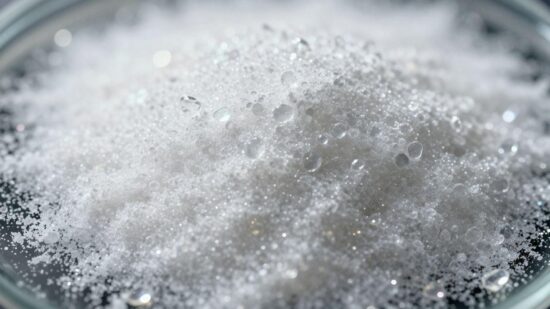
Precision in Semiconductor Fabrication
High-purity silica is a bedrock material in making the tiny, complex chips that power our digital world. We’re talking about the silicon wafers that form the base for microprocessors and memory. Even the slightest impurity in the SiO₂ can mess things up, leading to faulty circuits. This means manufacturers need incredibly pure silica sand, often with impurity levels measured in parts per million, to get the job done right. It’s a demanding process, but the result is the technology we rely on every day.
Enabling Optical Fiber and Precision Optics
When you think about speed and clarity in communication, optical fibers come to mind. These hair-thin strands, made from ultra-pure silica glass, transmit data using light. The purity of the SiO₂ directly impacts how far and how fast that light can travel without distortion. Beyond fiber optics, precision optics for cameras, telescopes, and scientific instruments also depend on high-grade silica. The material’s ability to be shaped and its transparency are key.
Role in 3D Printing and Ceramic Production
Advanced manufacturing isn’t just about tiny chips. It also involves creating complex shapes with new materials. In 3D printing, specialized silica powders are used to create high-performance ceramic parts. These parts can be found in everything from aerospace components to medical implants. The consistent particle size and chemical makeup of the silica are vital for successful printing and the final strength of the object. It’s a growing area where material quality really matters.
The Importance of Purity in Silica Applications
Impact of Impurities on Product Performance
Think about trying to build something with slightly warped bricks; it just won’t turn out right, will it? That’s kind of what happens when silica sand isn’t pure enough. Even small amounts of other stuff mixed in can mess things up. For example, iron can give glass an unwanted tint, and other trace elements can weaken its structure. This means the final product, whether it’s a window or a solar panel, just doesn’t perform as well as it should. It’s a real headache for manufacturers.
When you’re aiming for top-notch products, especially in high-tech fields, purity is non-negotiable. The silicon dioxide (SiO₂) content needs to be as high as possible, and unwanted elements need to be kept to a minimum. This is where the quality of the silica really shines through. Getting it wrong means dealing with inconsistent batches, lower yields, and products that might fail prematurely. It’s a direct hit to quality and reliability.
The difference between industrial-grade and high-purity silica can be the difference between a functional product and a failed one. This is especially true when you consider the sensitive nature of many modern applications. Manufacturers spend a lot of time and money developing their products, and using impure raw materials can undo all that work. It’s why sourcing the right kind of silica is so important from the very start.
Ensuring Functionality in Sensitive Technologies
In fields like electronics and advanced optics, even tiny bits of contamination can cause big problems. For instance, in making computer chips, impurities in the silica can lead to defects that make the chips unreliable or completely unusable. It’s like trying to run a marathon with a pebble in your shoe – it just slows everything down and causes issues.
This is why the semiconductor industry, for example, has incredibly strict requirements for the silica it uses. They need materials that are almost perfectly pure to create the intricate circuits that power our digital world. The same goes for optical fibers; any flaw introduced by impure silica can scatter light, reducing the speed and quality of data transmission. High-purity silica is key here.
The demand for ultra-pure materials is driven by the need for precision and reliability in technologies that are becoming increasingly complex. When you’re dealing with components that are microscopic in scale, the margin for error is incredibly small. This puts a huge emphasis on the quality of the raw materials used.
Meeting Stringent End-Market Specifications
Different industries have different needs, but they all agree on one thing: the silica must meet specific standards. For glassmakers, this might mean a certain level of clarity and colorlessness. For solar panel manufacturers, it’s about maximizing light absorption and durability. Each application has its own set of rules, and the silica has to play by them.
Meeting these specifications isn’t just about good manufacturing; it’s about understanding the science behind how silica behaves. Companies that supply silica often work closely with their customers to make sure their product fits the bill. This might involve tailoring the particle size or ensuring very low levels of specific impurities.
Here’s a look at some typical requirements:
- Glass Manufacturing: Low iron content for clarity, consistent particle size for uniform melting.
- Solar Photovoltaics: Extremely high SiO₂ content, minimal metallic impurities that can absorb light.
- Semiconductors: Ultra-high purity (often parts per billion for certain elements) to prevent electrical interference.
- Specialty Optics: High transparency across specific wavelengths, minimal optical defects.
Sourcing and Processing High-Purity Silica
Advanced Purification Techniques
Getting silica to that super-pure level isn’t just about digging it up. It often involves some pretty sophisticated methods. Think washing, screening, and magnetic separation to start. And this lines up with how Sio Silica describes producing high-purity quartz, including an air-lift borehole extraction approach that avoids chemicals in the mining step while still supporting ultra-clean end uses like solar and electronics. These steps get rid of the obvious stuff, like clay and iron. But for the really high-purity applications, like for solar panels or fancy electronics, you need to go further. This might mean using chemical processes, like acid leaching, to dissolve and remove even smaller, stubborn impurities. It’s a delicate balance, though, because you don’t want to mess up the silica itself. The goal is to get that SiO₂ content as close to perfect as possible.
Reducing Refining Needs Through Natural Purity
Sometimes, you get lucky. Certain geological deposits just naturally have really pure silica. Finding these spots is a big win. It means less work, less cost, and less environmental impact down the line. If the raw material is already close to what you need, you skip a lot of those intensive purification steps. This is why exploring and identifying these naturally high-grade sources is so important for the industry. It makes the whole process more efficient and sustainable. The less refining needed, the better for everyone involved.
Consistency in Product Chemistry and Particle Size
It’s not enough to just be pure; the silica also needs to be consistent. Manufacturers need to know that every batch they get will have the same chemical makeup and the same grain size. This predictability is key for smooth production runs. If the particle size varies too much, it can mess up how the material flows or how it behaves in a high-temperature furnace. Likewise, slight shifts in chemistry can change the final product’s color or strength. So, suppliers focus on making sure their high-purity SiO₂ products are uniform, batch after batch. This reliability is what builds trust and keeps customers coming back.
Looking Ahead
So, it’s pretty clear that high-purity silica is a big deal. It’s not just some random sand; it’s the stuff that makes our glass clearer, our solar panels work better, and a whole bunch of other advanced materials possible. As technology keeps moving forward, the need for this super-clean silica is only going to grow. Companies that can reliably supply it are going to be pretty important for everything from renewable energy to the next generation of electronics. It really shows how one simple material, when it’s pure enough, can have such a wide-reaching impact on the things we use every day and the technologies of tomorrow.