

With the right garden advice homenumental — solid, practical ideas that truly work — you can create an outdoor space that thrives. We’ll walk through how to assess your site, pick the right plants, prepare the soil, and design with purpose. Along the way you’ll find guidance on watering, maintenance, layout, and avoiding common mistakes. The word garden advice homenumental is what ties it all together: each tip aims to keep your space meaningful, sustainable, and grounded in real gardening know‑how. Whether you’ve got a large yard or a small patch, this guide will give you the tools to grow something you’ll enjoy all year.
1. Understand your outdoor space before planting

Before digging in, take a good look at your yard. Identify areas of full sun and shade. Check how water drains when it rains. If puddles stay for a while, that tells you something about the soil and grade. If you’re using garden advice homenumental and you skip this step, you’ll likely fight uphill. For example, many novice gardeners pick plants that demand full sun while their space only gets four hours. A fact sheet from University of Wisconsin–Madison Extension shows how important it is to match sun exposure, soil drainage and size early on.
You might find your space is small, or irregularly shaped, or has root competition from trees. That’s fine — just tailor your plan accordingly. If you’re working in a tighter spot, you may refer to the same mindset used in tinyhouseplans design: making the most of compact space. Use this stage to set the stage for a successful project rather than pushing ahead blindly.
2. Define the purpose of your garden
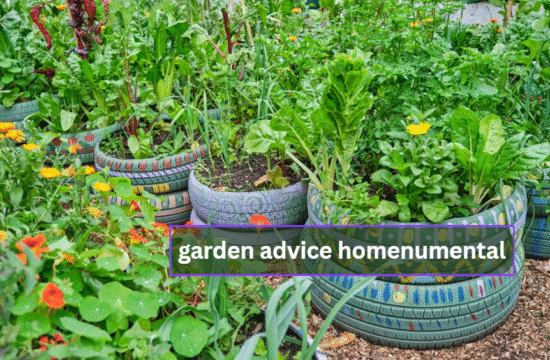
Growing veggies, relaxing with a cup of coffee, entertaining friends, or attracting pollinators? Clear purpose helps you apply garden advice homenumental effectively. For example, if your focus is edible plants, you’ll allocate part of the space to raised beds, good soil amendments and easy access. If your aim is a calming retreat, you might focus on native grasses, seating, and path flow.
Setting this purpose early also supports decisions like where to locate lighting, seating or pathways. It dovetails with broader thinking like how to design home renovation homenumental where design aligns with intention. The clearer your goal, the fewer surprises you’ll face later.
3. Plan your layout and design in a meaningful way
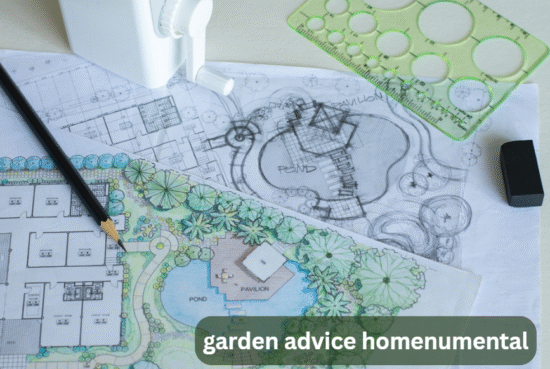
With purpose and site assessed, you can map out your design. Think in “zones”: a veggie zone, a flower‑zone, a seating zone, a pathway zone. Use curves or straight lines depending on your personal taste and how the space flows. While applying garden advice homenumental you’ll want to avoid random placement. For example, placing large shrubs right in front of a window can block light and view. You can also take cues from how to start home renovations homenumental by approaching your garden layout step by step, starting with the foundational areas first before adding decorative elements.
Paths and focal points are useful. A flagstone path leading to a bench or small tree makes your garden feel intentional. For small or narrow yards, borrowing ideas from compact‑space planning (akin to tinyhouseplans) helps. Raised beds against one side, a bench at the far end, vertical plants on a wall — these can all add structure.
Including native plants offers long‑term payoff: lower maintenance, better fit for local climate. Layout also means you consider future growth. Give shrubs room to mature. Don’t leave things cramped. With this kind of thought you’ll be living out effective garden advice homenumental rather than scrambling later.
4. Select the right plants for your climate and space
A core part of garden advice homenumental is matching plants to place. In the U.S., you’ll want to know your USDA hardiness zone and typical rainfall or drought conditions. Use natives where possible. They are better adapted and often require less watering and fewer chemicals.
For a small space you might choose compact cultivars or container‑friendly species. For example, dwarf shrubs, vertical vines, or annual herb containers. If you’re planting vegetables, do a little research on which ones perform best in your region.
Spacing matters too. The UW–Madison Extension notes that crowded plants get more disease and less air circulation.
So when you pick your plants, imagine them at maturity. Be realistic.
One unique insight here: plan for “transition plants.” These are plants that bridge seasons. Early spring bloomers, summer leafy plants, fall color shrubs. This gives your garden interest year round. It’s a more thoughtful use of garden advice homenumental than planting once and forgetting.
5. Prepare the soil and amend for healthy growth
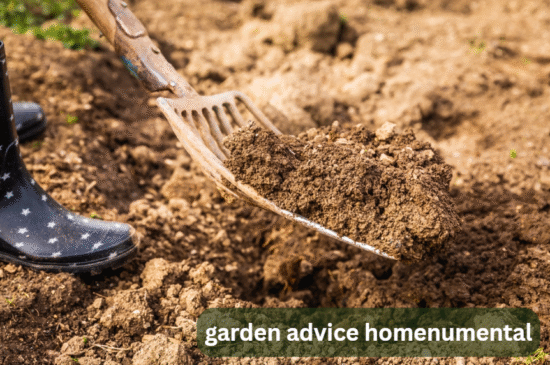
Even with the right plants and layout, garden success depends on the soil. Applying garden advice homenumental means starting with a soil test.
If your soil has heavy clay, you’ll need to loosen it and add compost. If it’s sandy and drains too fast, you’ll need something to hold moisture. The article from Smiling Gardener recommends adding compost or using sheet‑mulch (cardboard + organics) when starting new beds.
Here’s a suggestion: mix in 2–3 inches of compost into the top 6–8 inches of soil where you will plant. That boosts fertility and structure. Also, skip the urge to over‑till. Over‑tilling can harm soil structure over the long run. The Texas A&M Extension says deep tilling is useful early but only if needed – and best to work when soil is not too wet.
A less common insight: think of your soil as a living system. If you can encourage earthworms, fungi, good microbes, you’ll get healthier plants. Consider planting a cover crop in winter or adding leaf mulch so that the soil biology builds naturally. That’s true garden advice homenumental.
6. Install watering and irrigation systems wisely
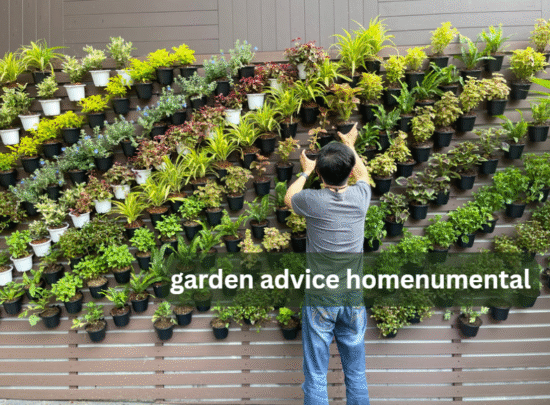
Water is critical. Too little and plants struggle. Too much or poorly delivered and you invite disease or waste. One element of garden advice homenumental is to use systems that match your needs. For raised beds you might use drip irrigation or soaker hoses. For containers use self‑watering options or frequent light watering.
Incorporate rain barrels if you can. Capturing rainfall reduces your water costs and supports sustainable gardening. Make sure you group plants by how much water they need (tight grouping of high‐water plants, separate for drought‑tolerant).
Also place your irrigation lines so that they are covered by mulch and not exposed. Use timers if your schedule is busy. Some gardeners neglect this and their plants wilt while they’re away. A unique tip: run a water test after install by observing drip vs spray patterns for a full hour. Adjust so that water infiltrates rather than pools. That practical check makes garden advice homenumental into real action.
7. Planting and establishment – set your garden up for success
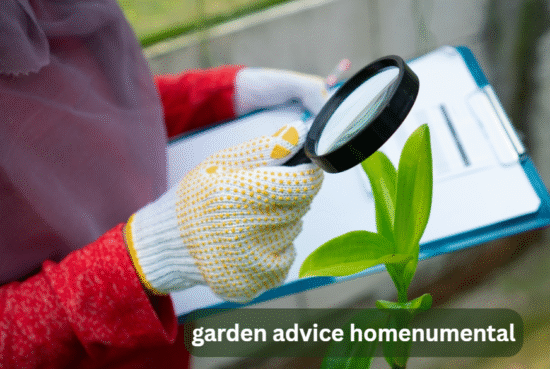
The actual act of planting matters. This is another moment to apply garden advice homenumental. Make sure you plant at the right time in your region, according to last frost or soil temperature. In the U.S., extension offices often provide calendars for your state.
Mix some compost into the backfill soil, but avoid piling extra compost directly against the stem of the plant. Mulch around it, leaving a gap at the stem to avoid rot.
If you’re using containers or a small yard, you might tap into ideas similar to LWMFCrafts or Inventive lwmfcrafts when setting up creative containers, repurposed items, or vertical gardens. That adds aesthetic value without expanding footprint.
Once planted, water thoroughly. Early detection matters. By doing this you turn garden guide homenumental into a process rather than hope.
8. Maintain and manage your garden throughout the seasons
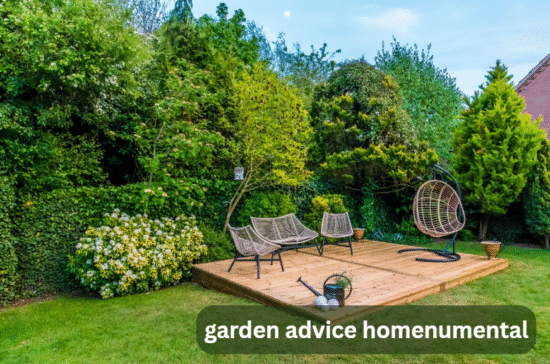
It needs care. Effective garden advice homenumental includes a maintenance calendar. In spring: clean out old debris, inspect for pests, refresh mulch. In summer: monitor water, deadhead flowers, harvest veggies, stake plants. In fall: remove spent plants, add compost, plant cover crops. In winter: clean tools, plan next year.
One long‑tail phrase: “yearly garden maintenance checklist USA.” Incorporate that into your habit.
As a unique angle: track one “micro‑task” per week rather than trying to do big bursts. For example: one week test the drip line, next week inspect mulch depth, then clean one section of path. Small regular work avoids overwhelm and keeps the garden healthy. That is genuine garden advice homenumental.
9. Design for beauty and sustainability
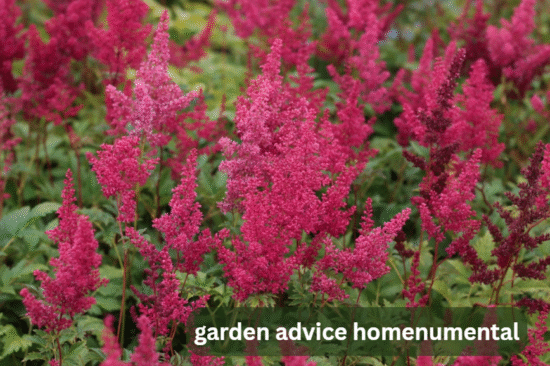
Your garden should not just function, it should feel good. But that doesn’t mean high cost or hype. Using garden advice homenumental means choosing plants and elements that support beauty and ecology. Avoid synthetic weed barriers; a recent article from the Associated Press warns that landscape fabric can harm soil life and cause problems long‑term
Use lighting sparingly and for safety or atmosphere rather than trying to “light it like a show”. Use seating that fits your lifestyle — a bench under a tree, a hammock in a quiet corner. Mulch paths with shredded bark or gravel; avoid large expanses of manicured lawn unless you will actually use them.
One unique insight: integrate edible into ornamental. For example, include herbs or salad greens near your patio where you’ll pick from them. That way your design is functional and stylish. That’s the heart of garden advice homenumental.
10. Common mistakes to avoid and unique insight
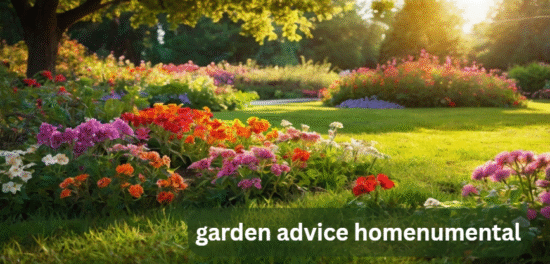
Finally, a list of pitfalls — because good garden advice homenumental includes knowing what not to do. Overcrowding leads to disease and competition. As the UW‑Madison fact sheet noted.
Another mistake is ignoring soil health and moving straight to watering and fertilizing. Without good soil your efforts won’t last.
Another often overlooked issue is failing to match plant to climate zone or ignoring site conditions. A plant may look beautiful in a catalogue but hate your full‑sun, hot afternoon wall.
A unique insight: monitor one “sentinel plant” in your garden that acts as an indicator for the rest. For example the first tomato you planted, or the first native shrub. If that plant is stressed, likely something in the system (soil, water, light) needs adjustment. If it’s doing well, you’re probably on track. This simple check turns garden advice homenumental from abstract into actionable.
Also avoid using harsh chemicals as a first response to pests or weeds. Often improving soil health and plant diversity reduces problems naturally. That’s sustainable and aligns with long‑term thinking rather than quick fixes.
Conclusion
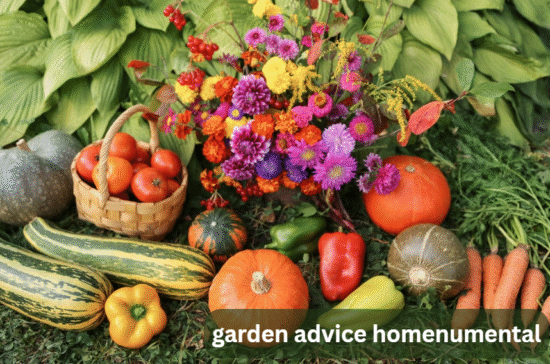
Growing a greener outdoor space isn’t about chasing trends. With meaningful, practical garden advice homenumental as your foundation, you can build a garden that works for your life, your site, and your climate. You’ve got the tools now — assess your space, decide your purpose, plan with intention, pick the right plants, build healthy soil, water well, plant thoughtfully, maintain steadily, design beautifully, and avoid common errors. Over time your garden becomes less of a project and more of a place you enjoy.