
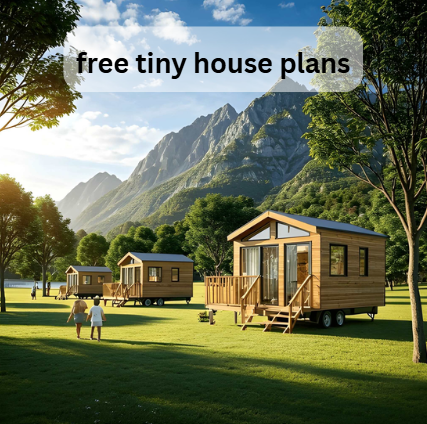
Free mini house designs have become a viable entry point for individuals in the United States interested in leaving high-cost housing. Increased rents, high mortgage rates, and a paucity of land are driving many to smaller houses, which are cheaper to build and maintain. Small houses are not a trend or part of social media aesthetics. They are pragmatic, disciplined, and purposeful in their living. People seeking free tiny house plans often want something sincere and practical, not a sales pitch.
This paper is a stroll through what tiny house plans free really are, their credibility (or lack thereof), and how to make sensible use of them. It includes general layouts, space planning, loft designs, cost consciousness, zoning problems, and practical restrictions. You will also learn how various types of plans can be used according to your needs, such as living alone or with other people.
What Tiny House Plans You are Really Offering
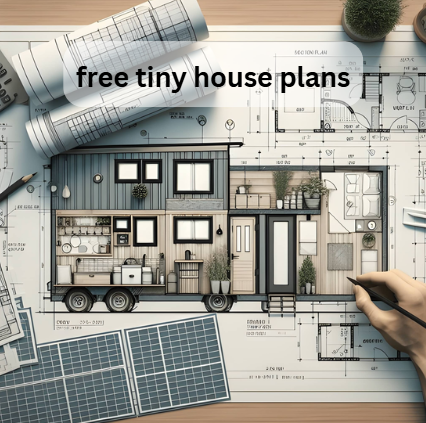
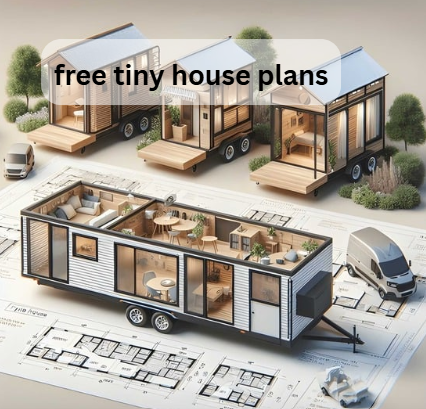
The majority of free tiny house plans are layout-oriented but not detailed on the construction. They tend to depict the size of the home, the arrangement of the rooms, and the connectivity between rooms. Others contain window placement and general roof lines. Such drawings help people imagine how they would live on a daily basis in a limited space, even before investing their money in construction. The links missing from these plans are for structural checkups and code specifications. This is rarely covered with engineering approval, local zoning regulations, and climate modifications. This does not render the plans useless. This implies they are meant to be viewed as a beginning, not an end set. Individuals using the free mini house plans are fully aware that the designs are helpful for planning, budgeting, and decision-making. They are thinking not thinking tools.
Reason People Like To Use Free Plans As Compared To Paid Designs
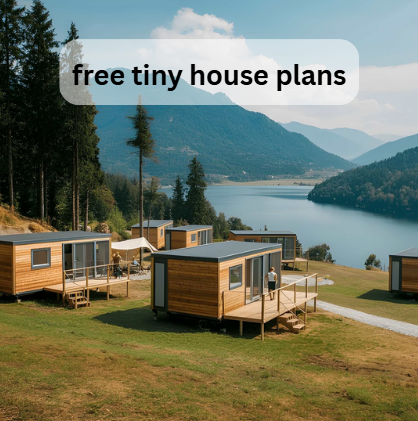
Financial prudence is one of the key reasons why people are using free plans to build tiny houses. The paid plans may prove costly because a person is still considering whether tiny living applies to their lifestyle. The free plans are not constraining since one can explore. The other reason is flexibility. There exists a great deal of open sharing and modifying of many free plans. The builders can customize room sizes, relocate walls, or change designs without violating usage regulations. The paid plans can occasionally restrict modifications or require additional permissions. It is also through free plans that people learn. Considering various designs educates on what is good in a small space and what is not.
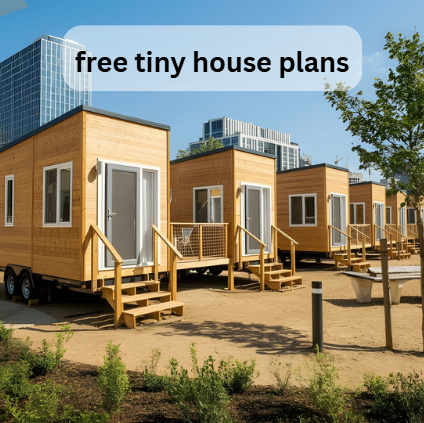
- Plan Style 1 Open Living Plan
An open living plan is one of the most widespread free tiny house plans. There is one open area in the kitchen, dining, and living space, with the bathroom located at one end of the house. This design minimizes the number of walls and gives the interior a larger feel. Open plans are ideal for one or two occupants. They enable flexible furniture positioning and easy mobility. Storage is typically constructed into walls, benches, or cabinets. This is also a standard style among generic tiny house designs, as it is neither too complex nor uncomfortable.
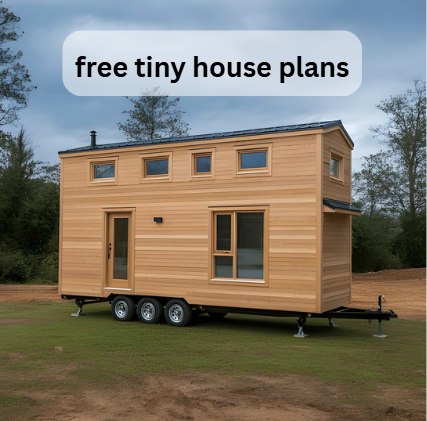
- Loft Design Two Sleeping Loft Plan
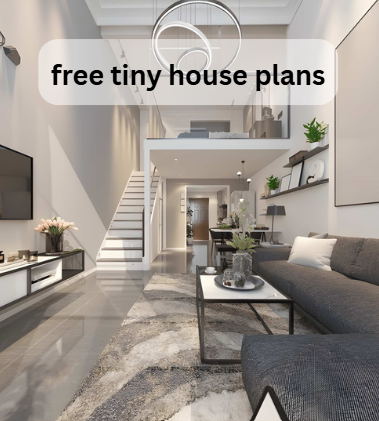
Free tiny house plans often include loft sleeping areas to save floor space. The positioning of the bed above the main living area will provide space below for cooking and relaxing. Loft designs need careful thought. The ceiling height towards the loft and beneath must be comfortable. Access also matters. Ladders do not take up space and may not be suitable for everyone. Stairs occupy more space and enhance safety. Individuals seeking tiny house plans with loft often need the opportunity to observe how vertical space can be used without creating a claustrophobic effect.
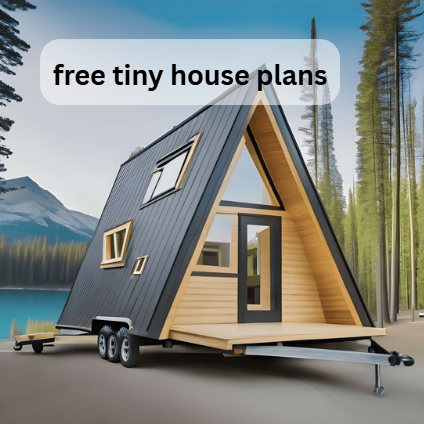
- Plan Style Three Single-Level Accessible Plan
Lofts are not present in all the free tiny house plans. Single-level layouts leave everything on a single floor and are therefore more accessible. Such plans are attractive to older adults and others who do not want to climb. Single-level designs are based on intelligent storage solutions and furniture. The bedrooms are not very large, and day-to-day mobility is more comfortable and safer. This style demonstrates that a tiny living space does not need lofts to be effective.
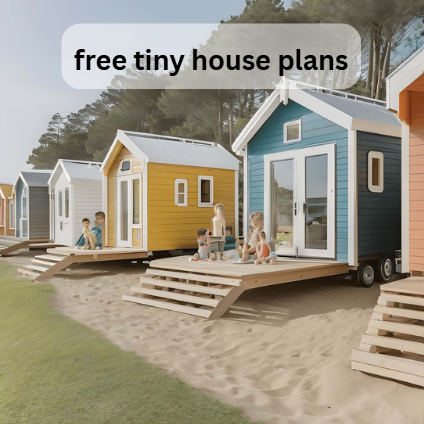
- Plan Style Four Small, Less than 200 Square Feet
There are free tiny house plans that are centred on extreme simplicity. Houses under 200 sq ft tiny house plans need discipline and careful design. Any piece of furniture has to be more than a single-use item. Plans for tiny houses of 200 sq ft usually incorporate fold-down beds, slim kitchens, and small bathrooms. Storage is concealed in walls, floors, and seats. The plans allow individuals to determine whether ultra-small living suits their lifestyle before building one.
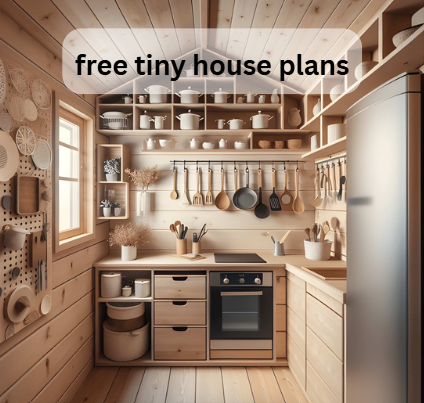
- Plan Style five two-bedroom layouts
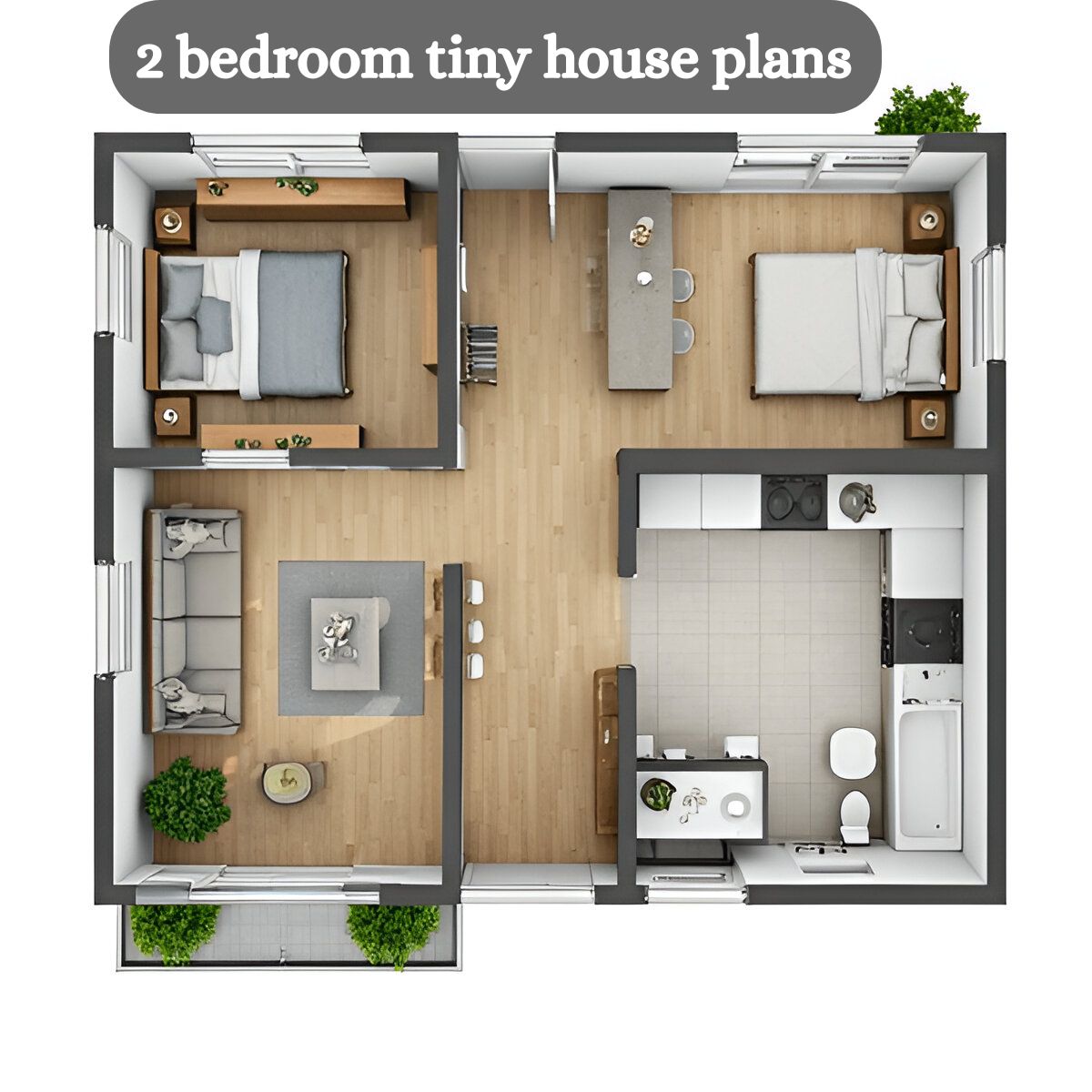
Coexistence demands partitioning. Several free tiny house designs demonstrate how two bedrooms can fit into a much smaller space. At this point, 2 bedroom tiny house plans come in handy. A bedroom is usually located on the first floor, with the second floor located in a loft. There is a lack of privacy, but it can be achieved through careful locations and good acoustics. Such designs enable couples and small families to consider tiny living as an option, given their household circumstances.
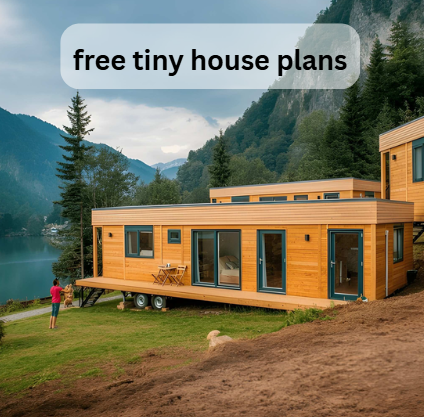
- Plan Style Six Two Bedroom Free Designs
It is common for individuals to look up 2 bedroom tiny house plans free since commercial family designs can be costly. Free versions demonstrate what can be done and the sacrifices that must be made. These plans bring trade-offs very clearly to light. The provision of bedrooms typically lowers storage and common areas. When it is available on paper, it helps households make decisions about what matters most.
- Plan Style Seven Cost Conscious Plans
Many contractors want to know the costs up front. Although the vast majority of free tiny house plans lack pricing, some layouts are designed to minimize costs. Designers tend to combine plans with studies of tiny house plans with cost to build, along with approximate prices. A basic roofline, a smaller footprint, and common plumbing walls tend to be less expensive. Cost-conscious designs can help avoid budget surprises in the future.
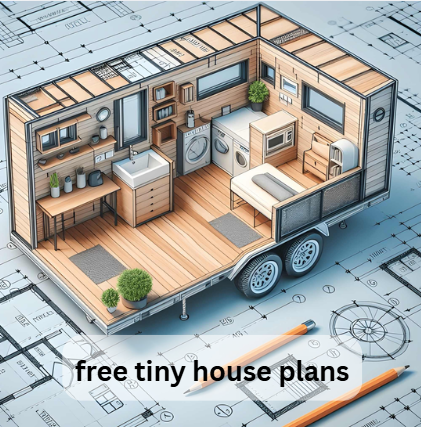
- Plan Style Eight Studio Style Flow Designs
Studio-style miniature plans of houses eliminate the walls except for the bathroom wall. Placement of furniture determines spaces rather than the building. Such designs are less closed and need structuring. Within a short time, clutter would be evident. Studio layouts are huge when executed well. They are ideal when individuals are comfortable with the few things they have.
- Plan Style Nine: Family-Friendly Storage Focus
Some free tiny house plans place a lot of emphasis on storage. These plans include built-in shelving, under-stair storage, and concealed compartments. Storage-oriented layouts help families lead their everyday lives in a compact room. They help minimize clutter and contribute to long-term comfort. These designs are usually ideal for loft designs.
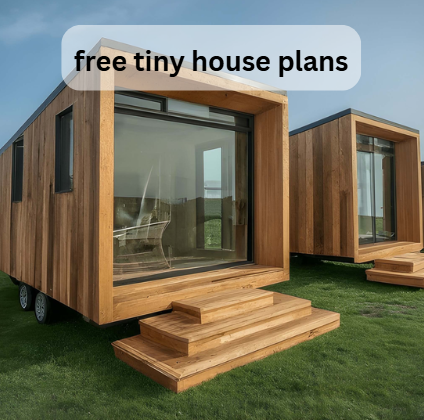
- Plan Style: Ten Trailer-Based Mobile Designs
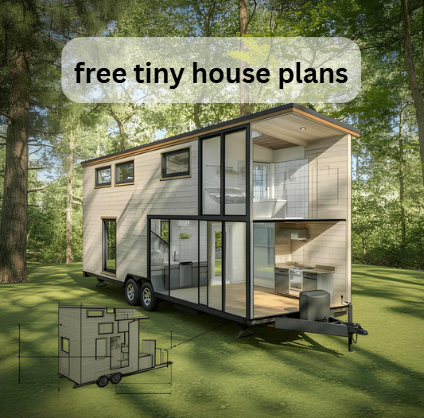
There are numerous free mini-house plans for trailers. Mobility is attractive to individuals who require flexibility or intend to relocate frequently. Trailer-based plans should consider weight distribution and road restrictions. The designs tend to be free of heavy materials and massive spaces. These are popular amongst first-time builders.
- Permanent Foundation Homes of Plan Style Eleven
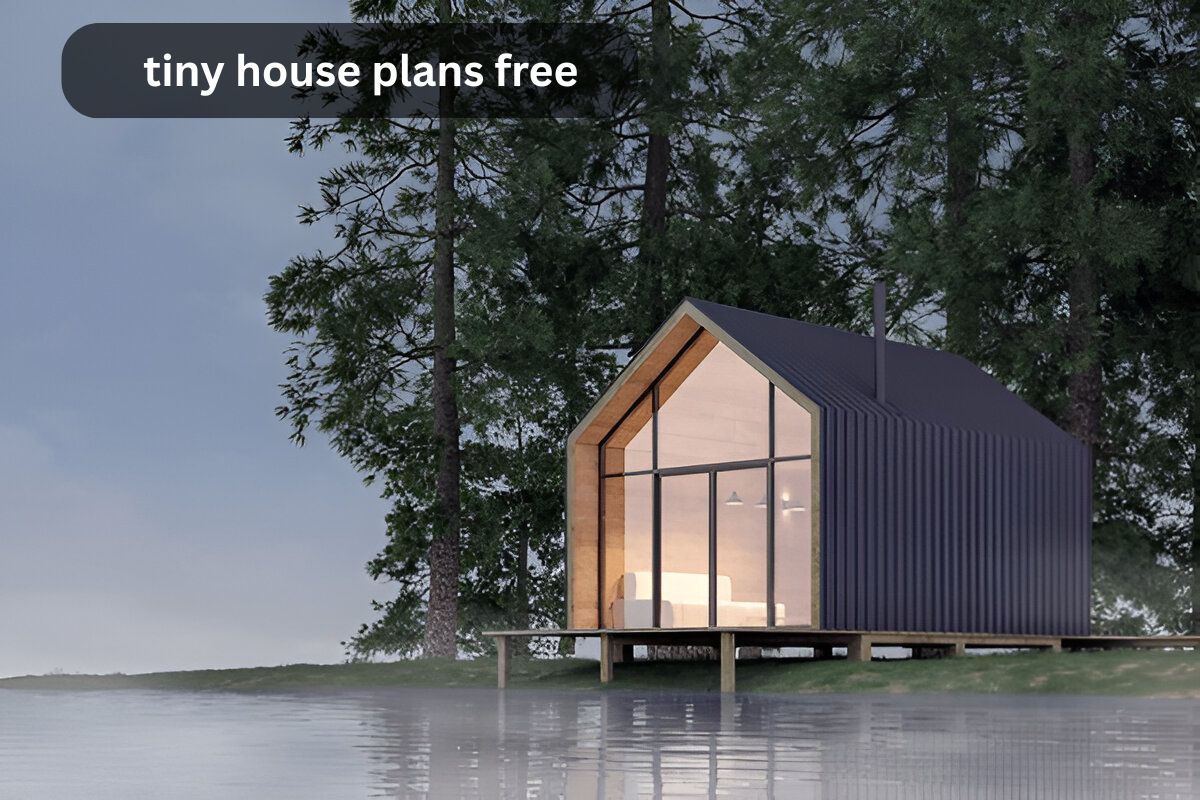
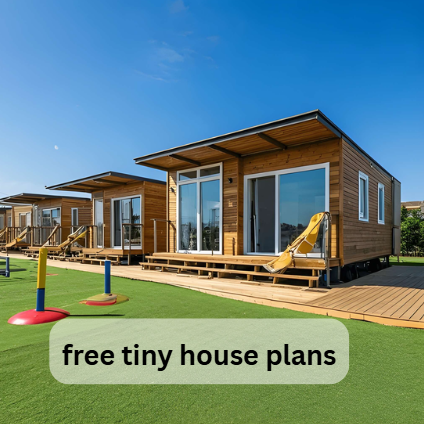
Specific free tiny house plans are intended for use on permanent foundations. Such homes are subject to fewer zoning restrictions and permit more archaic building techniques. Permanent designs can be more like mini-cottages than mobile homes. They are more at home in the country.
- Plan Style Twelve Custom Adaptations Hybrid
Many individuals combine concepts from multiple free miniature house designs to create a hybrid design. They steal designs, storage concepts, and loft tiny house plans and have them fine-tuned with the assistance of professionals. The technology is flexible and lowers design cost.
- Reality in Legal and Zoning in the United States
Free mini house plans do not cover zoning laws. Rules vary by city and state. Accessory units can be tiny homes in some of the areas. Some impose minimum size requirements. Free plans referred to as small house plans are not always legal. The type of foundation, the ceiling height, and the utilities influence approval. What is local should always be checked before construction.
Conclusion
Free smaller house plans will be helpful as long as they are used with realistic expectations. They assist individuals in investigating designs, understanding space boundaries, and budgeting without incurring costs upfront. They are not the ultimate plans. They need research, correction, and, most times, expert examination. Used responsibly, free tiny house plans can help minimize feelings of uncertainty and make wiser choices. Free small house plans offer an accessible entry point for people in the United States who would like to downsize thoughtfully.