
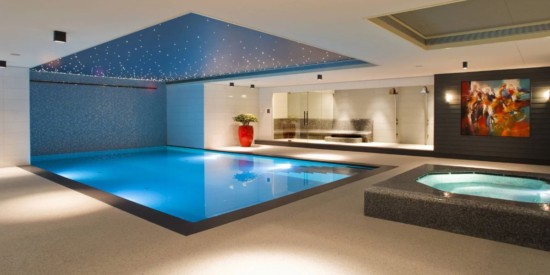
Gyms and indoor pools can be the breeding ground for mold and other harmful bacteria. Water evaporates constantly in these areas.
And the humidity level rises faster. Without proper humidity control, mold can cause serious structural damage, as well as render the air unsafe to breathe. The right dehumidifier can help mitigate these risks.
This article looks at the importance of humidity control in gyms and indoor swimming pools.
How Does High Humidity Damage Gyms and Pool Areas?
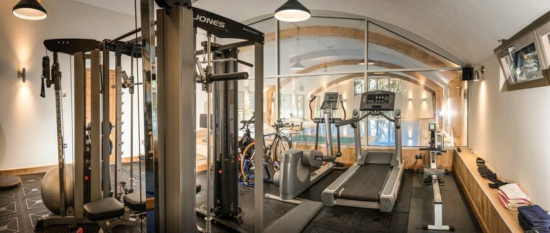
Moisture in the air is the primary cause of damage in these environments. Exercise induces each gym user to sweat anywhere from 27 to 47 ounces an hour.
Imagine the combined sweat of an entire gym. If no dehumidifier is used, the sweat is drawn into the gym equipment, causing the equipment to fail sooner.
The scenario is even worse in pool rooms. The off-gassing chlorine, in combination with the sweat, attacks the metal structure. The wood remains damp as condensation forms. This leads to significant issues in the future.
What Are the Safe Humidity Levels for These Spaces?
Studies show that a relative humidity of 50% to 60% is ideal, with 50% being the better option. This prevents condensation from collecting on cold surfaces.
The situation is different in the summer season. The humidity level can rise to 60%. If the humidity crosses 70%, that’s a red flag. Corrosion accelerates, and mold spreads fast.
For gym areas, the International Fitness Association recommends keeping humidity between 40% to 60%. This humidity level keeps patrons more comfortable.
What Happens When Condensation Forms in Gyms and Indoor Pools?
Condensation forms when air cools past its dew point. Suppose the pool room is at 82°F and 50% relative humidity.
In this case, if the surface is cooler than 62°F, it will start to sweat. This may create slip hazards anytime. But this is not the only health risk people will face.
Bacteria and mold spores also start to breed. They also create conditions for Legionnaires’ disease to develop. Risky for the guests and staff.
You can keep the surfaces dry by using dehumidifiers. It will reduce all these risks significantly.
How Modern Dehumidifiers Protect the People?
The modern dehumidifiers are efficient in maintaining the humidity level. Advanced dehumidifiers are 60% more efficient. It can recycle heat back into the room or directly into the pool water.
The industrial units are capable of removing over 160 liters of moisture per day. It can handle even the heaviest evaporation loads. More facilities are investing in proper humidity control now than ever before.
Case Study: Commercial Indoor Swimming Pool
Location: Manchester, United Kingdom
Problem: Indoor 25-meter pool facility had issues with humidity levels reaching up to 75% RH during peak hours, causing condensation on walls, ceilings and beside pool tables. Moisture damage caused corrosion and mold issues along with slippery floors and odors which patrons complained about. Higher costs associated with cleaning equipment affected the bottom line.
Resolution: Industrial dehumidifiers were put in place throughout the facility tied into the HVAC system. Continuous RH of 50–55% prevented condensation by removing excess moisture from the air and recycling heat back into the pool area to save on energy costs. Dehumidifiers were strategically placed and programmed to monitor fluctuations during peak hours when evaporation was highest.
Results:
- Condensation was greatly reduced around the pool area.
- Mold and mildew was cut by over 80% in 2 months improving air quality.
- Metal corrosion on hand rails and pool equipment was greatly reduced.
- Swimmer satisfaction went up with no more pesky odors.
Conclusion: Keeping humidity at recommended levels allowed pools to operate safely while protecting their building and reducing maintenance costs with the help of modern dehumidifiers.
Link / Reference to Case Study: Case Study: https://dehum.com.au/industrial-dehumidifiers-that-solve-real%E2%80%91world-humidity-problems-from-aquatic-centres-to-aviation-hangars/
Humidity FAQs – Gyms and Indoor Pools
What humidity levels should I look for?
- Recommended humidity levels for gyms: 40–60% RH
- Recommended humidity levels for indoor pools: 50–60% RH
Why do I have condensation issues?
Condensation causes slipping hazards as well as mold and bacteria growth. Moisture greatly increases chances of corrosion on metal and wooden surfaces. Too much humidity can cause health risks such as Legionnaires disease.
How can modern dehumidifiers help?
Not only do our modern dehumidifiers remove excess moisture from the air and prevent condensation but they can also recycle heat back into the room or pool water. Humidity is kept at a steady rate, even when multiple people are working out or during peak times of operation. Many industrial units can remove over 160 liters of moisture per day.
Do dehumidifiers help with air quality?
Yes! Dehumidifiers help reduce mold spores, bacteria and musty odors that cause poor air quality.
Will a dehumidifier save me money?
Most definitely. Keeping your humidity in check will save you money on corrosion and structural damage to the building. Also, by preventing rust and mold you can keep maintenance costs low and avoid replacing equipment prematurely.
Where should dehumidifiers be placed?
To achieve maximum results place industrial grade units on integration with your HVAC systems or beside high moisture areas such as pool walls/deck and gym equipment.
Conclusion
You can’t ignore the effectiveness of dehumidifiers for gyms and pools. High moisture damages the overall structure and materials. It also creates a real health hazard situation for everyone inside. Keeping humidity within the right range helps to maintain air quality. It’s a straightforward investment that pays off throughout the year.