

When it comes to moving, how your belongings are packed makes a huge difference. Professional movers use specific methods to keep everything safe. They know that good packing is the first step to a successful move, protecting your items from damage.
Utilizing High-Quality Packing Materials
Professional movers don’t skimp on packing supplies. They use sturdy boxes, strong tape, and plenty of cushioning materials like bubble wrap and packing paper. This is important because it stops items from breaking or getting scratched. Using the right packing materials means your fragile items, like dishes or electronics, have a much better chance of arriving in one piece. It’s a simple step, but using quality materials is key for safe transport.
Custom Packing for Specialty Items
Some things just aren’t standard boxes. Think about mirrors, artwork, or large TVs. Expert movers have special ways to pack these. They might use custom crates or extra padding to make sure these odd-shaped or delicate items are secure. This custom packing approach means that even your most unusual belongings get the protection they need. It’s all about tailoring the packing to the item itself.
Meticulous Labeling and Inventory Management
Once things are packed, labeling is the next big thing. Movers carefully label every box with its contents and the room it belongs in at the new place. They also keep a detailed list of everything. This meticulous labeling and inventory management system helps make sure nothing gets lost. It also makes unpacking much easier because you know exactly where to find things. This attention to detail is a hallmark of professional packing.
Secure Loading and Unloading Procedures
Safe Lifting and Carrying Techniques
Loading and unloading are critical phases where professional movers show their skill. They use specific methods to lift and carry items, protecting both your belongings and themselves from harm. This isn’t just about brute strength; it’s about technique. Proper body mechanics are paramount to prevent injuries and damage.
Movers are trained to bend at the knees, keep their backs straight, and use their legs to lift. For heavier items, they often work in teams, communicating to coordinate their movements. This teamwork is key to secure loading and unloading procedures.
They also utilize specialized equipment like dollies and hand trucks. These tools distribute weight and reduce the strain on the movers, making the process safer and more efficient. This careful approach minimizes the risk of dropping items or causing strain.
Strategic Weight Distribution in Trucks
How items are placed inside the moving truck matters a lot. Expert movers understand the importance of strategic weight distribution. They arrange heavier items at the bottom and along the sides of the truck. This creates a stable base and prevents everything from shifting during transit.
This careful placement is part of the secure loading and unloading procedures. It stops items from tumbling or crushing each other when the truck brakes or turns. They use padding and straps to keep everything snug and in place.
Think of it like packing a suitcase for a long trip. You put the heavier things at the bottom so the bag doesn’t tip over. Movers do the same, but on a much larger scale, with your entire household.
Navigating Tight Spaces and Obstacles
Moving day often involves tricky spots like narrow doorways, tight stairwells, and busy streets. Professional movers are adept at navigating these challenges. They have the experience to maneuver large furniture and boxes through confined areas without causing damage.
They often use furniture sliders to glide heavy items across floors, protecting both the furniture and your home’s surfaces. For stairs, they might use specialized straps or work in pairs to control the descent or ascent of bulky items. This careful handling is a hallmark of secure loading and unloading procedures.
Their ability to assess a space and plan the best route for moving items is a skill honed through practice. It prevents scuffs on walls, dents in doorframes, and damage to your possessions.
This careful approach ensures that even the most awkward items make it safely from point A to point B. It’s a testament to their training and attention to detail.
Ensuring Safe Transportation of Belongings
Well-Maintained Moving Vehicles
Professional movers know that a breakdown mid-move is a major headache. That’s why they keep their trucks in good shape. Regular checks and upkeep mean fewer surprises on the road. This attention to detail helps keep your move on schedule and your belongings safe during transit. A well-maintained vehicle is key to reliable transportation.
Climate-Controlled Transport Options
Some items need a little extra care. Think about artwork, electronics, or even certain furniture. Standard trucks can get too hot or too cold, which can cause damage. Expert movers often have climate-controlled options. This means the temperature inside the truck stays steady, protecting sensitive items from harsh weather. It’s a smart choice for anything valuable or easily affected by heat or cold.
Securing Items to Prevent Shifting
Once everything is loaded, it needs to stay put. Movers use straps, padding, and strategic placement to stop items from moving around. This is super important, especially on long trips or bumpy roads. When items shift, they can bump into each other, leading to scratches or breaks. Proper securing prevents this, making sure your stuff arrives just as it left. This careful approach to securing items is a big part of safe transportation.
Comprehensive Insurance and Liability Coverage
Understanding Full Value Protection
When entrusting your belongings to a moving company, understanding their liability coverage is key. Full Value Protection is the most robust option available. It means the moving company takes responsibility for repairing damaged items, replacing lost items, or offering a cash settlement for their full replacement value. This coverage usually comes at an extra cost, but it provides significant peace of mind. It’s the highest level of protection you can get from your mover.
Exploring Released Value Protection
Released Value Protection is the most basic form of liability coverage, and it’s typically included at no additional charge. However, it offers minimal protection. Under this plan, the mover’s liability is limited to a set amount per pound of your belongings. For instance, if a box of items weighing 10 pounds is damaged, you might only receive compensation based on that weight, not the actual value of the contents. It’s important to know that this is not insurance, but rather a basic level of mover liability.
Options for Third-Party Insurance
Beyond the mover’s own liability options, you can also explore purchasing separate third-party insurance policies. These policies can offer more extensive coverage than what the mover provides directly. Sometimes, specialized moving insurance can be tailored to your specific needs, covering high-value items or offering broader protection against various risks during transit. It’s worth investigating these options to see if they align with the value of your possessions and your comfort level with risk.
Protecting Against Physical Strain and Injury
Professional Training in Safe Lifting
Moving heavy items is a big part of any relocation, and it can really take a toll on the body if not done right. Professional movers go through specific training to learn how to lift and carry things safely. This isn’t just about not dropping a box; it’s about protecting their backs, joints, and muscles from serious injury. They learn techniques that use their legs and core strength, rather than just their back, to move heavy objects. This training is key to preventing strains and sprains that could sideline a mover or, worse, cause long-term damage. Proper technique is paramount for avoiding physical strain.
Utilizing Specialized Moving Equipment
Beyond just knowing how to lift, expert teams have access to and know how to use specialized equipment. Think about dollies, hand trucks, furniture sliders, and even lifting straps. These tools are designed to take the weight off the movers’ bodies. For instance, a heavy dresser can be easily rolled on a dolly, eliminating the need to carry its full weight. Furniture sliders make it simple to glide large items across floors without straining to lift them. Using the right equipment significantly reduces the physical strain involved in moving, making the process safer for everyone.
Benefits of Teamwork During a Move
Moving is rarely a one-person job, and professional teams understand the power of working together. When multiple people lift an item, the weight is distributed, making it much more manageable. Teamwork also allows for better communication and coordination, especially when navigating tight corners or staircases. One person might guide, while others lift and balance. This collaborative approach not only speeds up the process but also drastically cuts down on the risk of injury. It’s about shared effort and mutual support, which is a big part of protecting against physical strain and injury.
Meticulous Inventory Management for Accountability
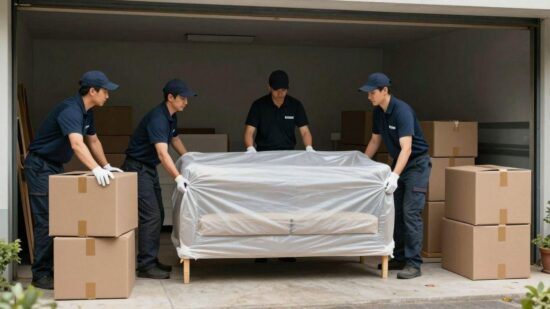
Detailed Checklists and Item Labeling
Keeping track of everything you own during a move can feel overwhelming. That’s where a detailed moving inventory checklist comes in. It’s your primary tool for knowing exactly what’s being packed and where it’s going. Think of it as a roadmap for your belongings. Professional movers use similar systems to ensure accountability. This meticulous approach helps prevent items from getting lost in the shuffle.
A well-crafted inventory list should include descriptions, quantities, and the condition of each item. Color-coding labels by room, like ‘Kitchen’ or ‘Bedroom,’ makes sorting much faster for the moving crew. Numbering boxes sequentially and referencing these numbers on your checklist creates a clear trail. For example, a label might read ‘Living Room – Box 15.’ This detailed labeling system is key to maintaining accountability throughout the entire process.
- Room-by-Room Organization: Group items by their designated room.
- Sequential Numbering: Assign a unique number to each box or item.
- Condition Notes: Briefly describe the state of fragile or valuable items.
Cross-Checking Items at Origin and Destination
Once your packing is complete and the loading begins, the inventory checklist becomes even more critical. Movers will often cross-check items as they are loaded onto the truck. This verification step confirms that everything listed is indeed being transported. It’s a proactive measure to catch any discrepancies before the truck even pulls away.
Upon arrival at your new home, the process is reversed. The moving team will typically work with you to cross-check items as they are unloaded. This final verification ensures that everything that left your old residence has arrived safely. This step is vital for confirming the successful completion of the move and for peace of mind. It’s a core part of how professional relocation teams protect your home and belongings.
This systematic cross-checking at both ends of the move is a non-negotiable step for accountability. It provides a clear record of what was moved and confirms its arrival.
Streamlined Claims Process for Disputes
Despite the best efforts and meticulous inventory management, occasional issues can arise. If an item is damaged or goes missing, having a detailed inventory checklist and clear records makes the claims process much smoother. The documentation serves as proof of what was moved and its condition.
Professional moving companies often have established procedures for handling disputes. By providing your detailed inventory and any relevant notes about item conditions, you equip yourself to address any problems efficiently. This preparedness helps ensure that any necessary claims are handled fairly and promptly, minimizing stress during what can already be a challenging time. The goal is always to resolve issues quickly and fairly.
Expert Handling of Specialty and High-Value Items
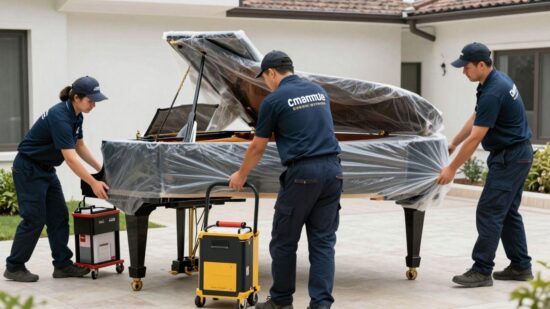
Custom Crating for Delicate Possessions
Some items just need more than a standard box. Think about that antique vase or that big, flat-screen TV. Professional movers know this. They can build custom crates, basically like little armored boxes, just for these things. This extra protection is key for anything really delicate or valuable. It stops bumps and jostles from causing problems during the move. This careful approach to specialty items means they get the best chance of arriving without a scratch.
Specialized Equipment for Large Items
Moving a piano or a giant wardrobe is a whole different ballgame than moving a box of books. It requires special tools. Movers have things like heavy-duty dollies, straps, and sometimes even hoisting equipment. These aren’t your everyday tools. They’re designed to lift and move big, awkward, or heavy things safely. This specialized equipment helps protect both the item and the people moving it. It makes handling these large items much less risky.
Experience with Antiques and Fine Art
Antiques and fine art aren’t just old or pretty; they’re often irreplaceable and incredibly fragile. Moving these requires a specific kind of know-how. Expert relocation teams have dealt with these kinds of specialty items before. They understand how to handle them, what materials to use for packing, and how to secure them for transport. This experience is what separates a good move from a potentially disastrous one when it comes to your most treasured possessions. They know the risks and how to avoid them.
Navigating Long-Distance Moves with Household Relocation Specialists
Coordinating Complex Logistics
Moving across states or the country involves a lot of moving parts. Household relocation specialists are pros at managing these complex logistics. They figure out the best routes, schedule pick-ups and deliveries, and handle all the paperwork. This means less stress for you. They plan every step to keep your belongings safe.
Adherence to Interstate Moving Regulations
Long-distance moves mean crossing state lines, and that comes with specific rules. Professional movers know these interstate moving regulations inside and out. They make sure everything is compliant, from vehicle weight limits to proper documentation. This adherence protects you and your possessions from potential delays or fines. It’s a big part of what makes a long-distance move smooth.
Enhanced Packing for Extended Journeys
Items traveling long distances need extra protection. Relocation specialists use advanced packing methods for these extended journeys. This includes using stronger boxes, more padding, and custom crating for delicate items. They also strategically load the truck to prevent shifting during long hauls. This careful approach is key to protecting your home and belongings.
Peace of Mind for Your Move
So, when it comes down to it, hiring professional movers really does make a big difference. They know how to pack things right, load them up without causing damage, and get them where they need to go safely. Plus, they have insurance and know how to handle tricky items. It’s not just about moving boxes; it’s about protecting your stuff and making sure you don’t get hurt. Letting the pros handle it means you can relax a bit more and focus on settling into your new place instead of worrying about whether your favorite lamp made it in one piece.