
Rapid Response To Minimize Property Deterioration
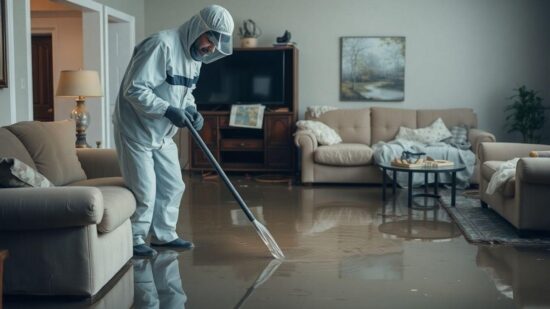
When water invades your home, every minute counts. Swift water extraction is the first line of defense against escalating damage. Delaying this critical step allows water to spread, weakening materials and creating a breeding ground for problems. Professionals understand the urgency and act fast to remove standing water, preventing further deterioration.
This rapid response is key to minimizing the long-term impact on your property. It limits the saturation of building materials like drywall, wood, and flooring. Quick action can mean the difference between repairable damage and needing complete replacement of structural elements.
Utilizing Specialized Equipment For Thorough Removal
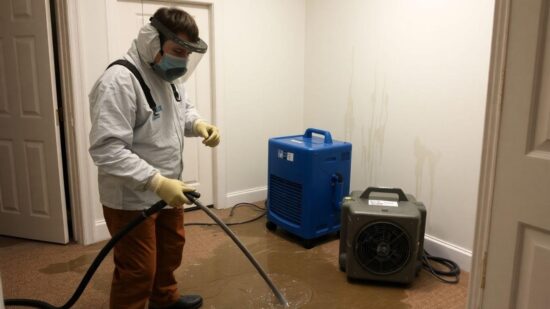
Homeowners often lack the tools needed for effective water removal. Professional restoration teams come equipped with industrial-grade pumps and powerful vacuums. These tools can extract large volumes of water quickly and efficiently, reaching areas that standard equipment cannot.
This specialized equipment is designed for thorough removal, getting to the source of the problem. It’s not just about the visible water; it’s about getting moisture out of carpets, subflooring, and even within walls. This level of detail is vital for a complete recovery.
Mitigating Health Risks Associated With Standing Water
Standing water is more than just a nuisance; it’s a health hazard. It can quickly become a breeding ground for bacteria, mold, and other contaminants. These can lead to respiratory issues and other illnesses if not addressed promptly.
Professional water extraction services include sanitizing the affected areas. This process helps to eliminate harmful microbes and prevent the growth of mold and mildew. Taking care of the water problem quickly also means reducing the risk of lingering odors and unhealthy air quality.
Acting fast with professional water extraction is not just about saving your belongings; it’s about safeguarding the health of everyone in your home.
Comprehensive Damage Assessment And Containment
Pinpointing The Full Extent Of Water Intrusion
When water floods a home, it doesn’t just sit on the surface. It seeps into walls, under floors, and into hidden cavities. Professionals use special tools, like moisture meters and infrared cameras, to find water that you can’t see. This detailed look helps them understand exactly where the water has gone. Without this careful check, hidden water can cause big problems later on.
Preventing Further Destruction Through Expert Evaluation
Once the water’s path is mapped, experts can figure out the best way to stop more damage. They look at how the water is affecting different parts of the building. This evaluation is key to stopping the problem from getting worse. It’s like a doctor diagnosing an illness before prescribing treatment. A good assessment means the right steps are taken to protect the property.
Assessing Structural Integrity After Flooding
Water can weaken the very bones of a house. Professionals check walls, floors, and ceilings to see if they are still strong. They look for signs of damage that might not be obvious at first. Making sure the structure is safe is the top priority. This assessment helps decide what needs to be repaired or replaced to keep the building sound and secure for everyone inside. It’s a vital step in the whole water damage restoration process.
Effective Drying And Dehumidification Techniques
Accelerating Drying With Advanced Equipment
After water damage, getting things dry fast is the main goal. Professionals use special tools to speed this up. Think big fans, called air movers, that push air around to help surfaces dry quicker. They also use powerful dehumidifiers that pull moisture right out of the air. This equipment is way more effective than just opening windows or using a home fan.
These tools work together to create an environment where water evaporates quickly. The air movers help circulate air, and the dehumidifiers capture the water vapor. This combination is key for effective drying, especially in places like walls or under floors where water can hide. Getting this done right prevents bigger problems down the road.
The right drying techniques are vital to stop secondary damage. This process is about more than just making things feel dry; it’s about removing all the moisture that could cause issues later, like mold or wood rot. Professional water damage restoration focuses on thorough drying.
Monitoring Moisture Levels In Hard-To-Reach Areas
Water doesn’t just sit on the surface; it can soak into carpets, get behind baseboards, and even seep into wall cavities. Professionals use special meters to check moisture levels in these hidden spots. These meters can tell them exactly how wet a material is, even if it looks dry on the outside.
This detailed monitoring is important because even a little bit of leftover moisture can cause problems. Mold, for example, can start growing in as little as 24-48 hours if conditions are right. By checking everywhere, professionals make sure no damp spots are missed. This careful approach is part of effective drying.
Professionals don’t guess when it comes to drying; they measure.
Ensuring Complete Moisture Removal To Prevent Future Issues
The ultimate aim of drying and dehumidification is to get the property back to its normal moisture levels. This means not just drying the visible wet areas but also making sure the humidity in the air is controlled. If the air stays too moist, it can cause problems elsewhere.
Professionals track the drying process closely. They’ll keep using their equipment and taking readings until everything is at a safe level. This thoroughness helps prevent issues like warped wood, peeling paint, or the dreaded musty smell that signals mold is starting. It’s all about making sure the job is done right the first time.
Preventing Mold Growth And Health Hazards
Addressing Hidden Moisture to Inhibit Mold
After a flood, water doesn’t just sit on the surface. It can seep into walls, under floors, and behind cabinets. This hidden moisture is a breeding ground for mold. Professionals use specialized tools to find these damp spots that the naked eye can’t see. They know that even a small amount of lingering water can kickstart mold growth within 24 to 48 hours. Addressing this hidden moisture is key to stopping mold before it even starts. Ignoring it means risking respiratory problems and structural damage down the line.
Sanitizing Affected Areas to Reduce Contamination
Standing water, especially from floodwaters, can carry all sorts of nasty things like bacteria and viruses. Simply drying the area isn’t enough. Professional restoration teams use specific cleaning agents and sanitizers to kill off these harmful contaminants. This step is vital for making sure your home is not just dry, but also safe to live in again. It helps prevent the spread of illness and reduces the risk of lingering odors.
Protecting Occupant Health From Waterborne Pathogens
Water damage restoration isn’t just about fixing the house; it’s about protecting the people inside. Waterborne pathogens can cause a range of health issues, from skin irritations to more serious infections. A professional team understands these risks and takes steps to mitigate them. They work to remove contaminated materials and thoroughly clean and disinfect all affected surfaces. This careful approach helps safeguard everyone’s well-being, making sure the home environment is healthy and secure after the floodwaters recede. Preventing mold growth and dealing with waterborne pathogens are top priorities.
Navigating Insurance Claims With Professional Assistance
Providing Detailed Documentation For Claims
Dealing with flood damage is tough enough without adding the headache of insurance paperwork. That’s where professional restoration services really shine. They know what insurance companies need to see. This means they’ll meticulously document everything, from photos of the initial mess to detailed logs of affected areas and moisture readings. This thorough documentation is key for a smooth insurance claim process.
Communicating With Adjusters For Smoother Processing
Professionals don’t just hand over papers; they often talk directly with your insurance adjuster. They can explain the technical details of the water damage and the necessary repairs in a way that makes sense to the adjuster. This direct communication helps clarify the scope of work and can prevent misunderstandings that might delay your claim. Having an expert advocate can make a big difference.
Assisting With Paperwork To Expedite Approvals
Beyond documentation and communication, restoration companies can help you fill out the necessary forms. They understand the requirements and can help prevent common mistakes that often slow down claim approvals. Getting your claim processed quickly means you can start repairs sooner and get your life back to normal faster. This assistance with paperwork is a huge relief during a stressful time.
Restoring Structural Integrity And Safety
Evaluating and Repairing Compromised Building Components
After a flood, the structure of your home might be weaker than it looks. Water can seep into materials like drywall, wood, and even concrete, causing them to degrade over time. A professional water damage restoration team will carefully check all the parts of your building, from the foundation up to the roof. They look for any signs of weakness or damage that could make the structure unsafe. This evaluation is key to figuring out what needs fixing.
They use special tools and their knowledge to spot problems you might miss. This includes checking for rot in wooden beams, cracks in walls, or damage to the foundation. Getting this assessment done right is the first step to making sure your home is safe to live in again. They want to identify any compromised building components before they cause bigger issues. This careful inspection helps plan the best way to repair everything.
Implementing Specialized Techniques for Lasting Solutions
Once the damage is found, the real work begins. Professionals don’t just patch things up; they use methods designed to last. This might mean reinforcing weakened walls with special supports or using advanced materials that resist moisture better than standard ones. The goal is to fix the immediate problems and make sure the structure can handle normal use without failing later.
They might use techniques like epoxy injections to strengthen concrete or specialized bracing for damaged framing. These aren’t your typical DIY fixes. They are methods developed to address the unique challenges water damage presents. The aim is to provide lasting solutions that protect your property for the long haul, giving you peace of mind.
Restoring Rooms to Pre-Flood Condition for Habitable Living
After the structural repairs are done, the focus shifts to making your home livable again. This involves putting back all the parts of your rooms that were damaged or removed. Think about floors, walls, ceilings, and even electrical or plumbing systems that might have been affected. The team works to bring everything back to how it was before the flood.
This process isn’t just about making things look good; it’s about making sure everything functions correctly and safely. They replace damaged materials with new ones that meet current building codes. The objective is to return each room to its original, habitable state, so you can get back to your normal life without worrying about hidden problems. Restoring structural integrity is a big part of this.
Cost-Effective Solutions For Long-Term Value
Comparing Restoration Costs To Full Replacement Expenses
When a flood hits, the immediate thought might be about the cost of repairs. However, it’s important to look at the bigger picture. Professional water damage restoration services often present a more economical choice compared to the expense of replacing entire sections of a property. Professionals can pinpoint the exact areas needing attention, saving you money on unnecessary work. This focused approach means you’re not paying for more than what’s needed.
Providing Rapid Solutions To Save On Extensive Repairs
Speed is key after a flood. The longer water sits, the more damage it causes, leading to higher repair bills. Professional restoration teams work quickly to extract water and begin the drying process. This rapid response helps prevent secondary issues like mold growth or structural weakening, which can significantly increase the overall cost of repairs. Getting it right the first time saves money in the long run.
Ensuring Property Is Restored To Original Condition
Restoration isn’t just about fixing what’s broken; it’s about bringing your property back to its pre-flood state. Professionals use specialized techniques and equipment to address not only visible damage but also hidden moisture. This thoroughness prevents future problems and maintains your property’s value. Investing in professional restoration is an investment in the long-term health and stability of your home or business. The goal is to make sure the property is safe and sound, avoiding costly issues down the road. This careful work helps avoid future problems that could arise from incomplete water damage restoration.
Wrapping Up: Why Professionals Make a Difference
Dealing with flood damage is a big headache, no doubt about it. Water gets everywhere, and then you’ve got to worry about mold, structural issues, and all sorts of other problems. Trying to fix it all yourself can feel overwhelming, and honestly, you might miss important stuff. That’s where the pros come in. They’ve got the right gear and the know-how to get the water out fast, dry everything properly, and make sure your home is safe again. Plus, they can help with the insurance paperwork, which is a whole other headache. So, when disaster strikes, calling in the experts really is the best way to get your home back to normal and avoid bigger problems down the road.