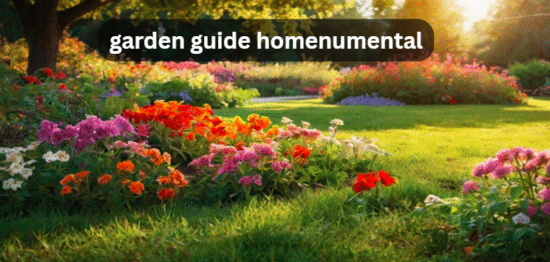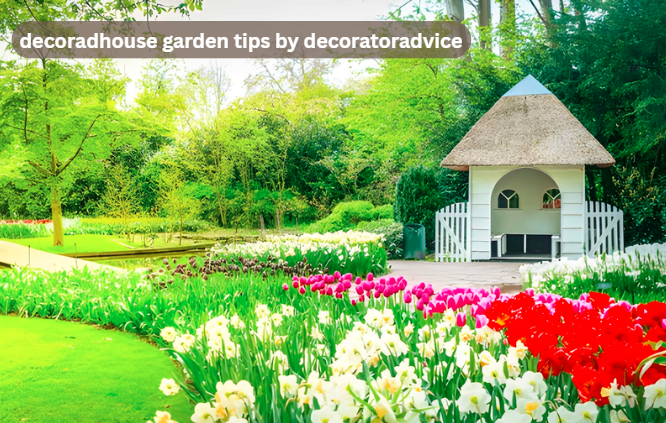


Most people want a yard that feels calm and easy to enjoy, yet many are not sure where to begin. This garden guide homenumental gives you a simple way to understand your space and turn it into something that feels good to live with. This guide shares how to shape your outdoor space, how to pick plants that fit your climate, how to care for the soil, and how to build a layout that works for your everyday routine. The goal is not perfection. It is to help you build a space that feels natural, steady, and practical. Use this garden guide homenumental as a starting point to grow a yard that reflects your pace and your style.
1. Why Follow the Garden Guide HomeNumental Philosophy
This garden guide homenumental approach keeps things grounded in real life. It asks you to look at your yard with patience and understand the conditions you actually have. Instead of chasing trends, this method pays attention to what your land can support. Some gardens look beautiful in photos but fall apart in real weather. This guide avoids that problem. It helps you build a space that lasts.
Many people want gardens that are both pleasant and simple to care for. The homenumental style focuses on balance. You do not need large projects or expensive features; you only need steady habits and honest observation. This philosophy gives you the freedom to grow your garden at your own pace while supporting the long-term health of your plants, soil, and layout. With the right garden advice homenumental, you learn how small steps add up to a garden that feels calm, personal, and truly your own.
2. Defining Your Garden Purpose
Every good garden starts with a clear purpose. When you know what you want, decisions become easier. Some people want a place to grow herbs for cooking. Some want a quiet area to sit in the evenings. Others want color through the seasons or a small spot for family gatherings.
Your purpose shapes your choices. A food focused garden needs sunny areas and soil with steady nutrients. A quiet retreat might need shade and comfortable seating. A family space might need an open layout with strong plants that can handle foot traffic. When you follow this garden guide homenumental, your purpose becomes the center of your plan. It keeps your garden from feeling random and helps each choice work together.
3. Assessing Your Space and Conditions
Sunlight and Shade
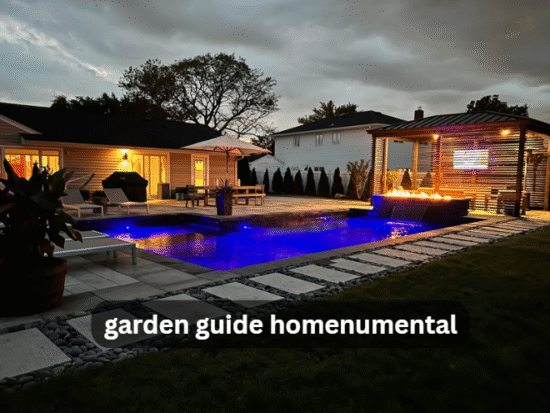
Some areas stay bright most of the day. Others fall into shade quickly. Plants respond strongly to this pattern. Matching plants to light conditions is one of the simplest ways to prevent future trouble. While observing your space, you can also consider how to design home renovation homenumental, planning your garden layout alongside any home updates to create a smooth flow between indoor and outdoor areas.
Soil Conditions
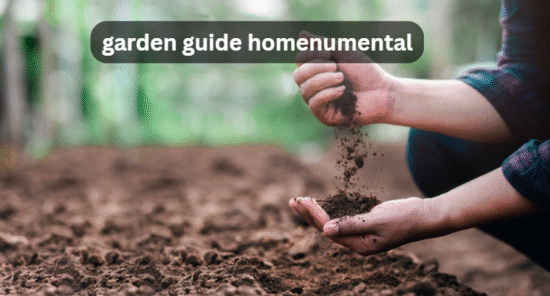
Soil is the base of every garden. Some soil holds water too long. Some drains too fast. Some lacks nutrients. A simple soil check tells you what you are working with. You can improve soil over time with compost or organic matter. Once the soil is steady and healthy, your plants have a strong foundation.
Simple Layout Sketch
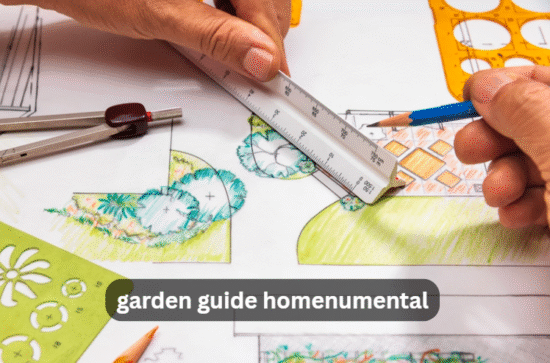
A rough sketch helps more than most people expect. Draw your yard and mark the sunny spots, shade areas, existing trees, and corners you want to use. This sketch becomes your guide. It does not need to be perfect. It only needs to show where things make sense.
4. Planning Your Garden Design
Think about how you move through the yard. You might want a path that guides you from one area to another without stepping over plants. You may want a focal point such as a tree, a pot, or a seating spot. Small design choices bring calm to the space. Before you start larger changes, it can help to review how to start home renovations homenumental so your garden layout aligns with any updates or improvements you plan for your home.
Creating zones helps control clutter. One area might be for sitting. Another might be for herbs or flowers. When everything has a clear place, the garden feels more organized and easier to maintain. The garden guide homenumental method supports a layout that feels natural rather than forced.
5. Choosing the Right Plants
Native and Non Native Choices
Native plants often grow with less effort because they already fit the climate. They attract helpful insects and support the environment. Non native plants can still work well if they match your conditions. The key is choosing plants that will not struggle once the weather shifts.
Plants for the Whole Year
This means mixing shrubs, perennials, annuals, and ground cover. Some provide structure. Some bring color. Some fill empty gaps. When you combine them thoughtfully, your garden looks steady through the entire year.
Herbs and Edibles
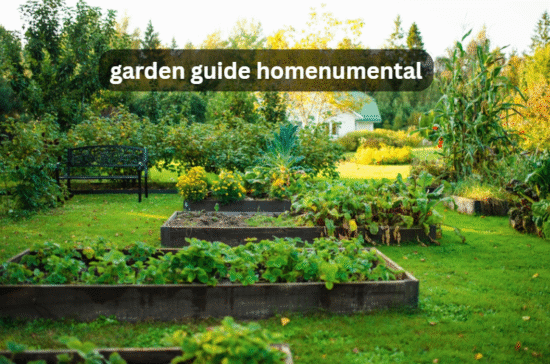
Edible plants bring both purpose and beauty. Flowers such as marigolds or lavender help support insects and add color. This mix fits the homenumental idea of blending charm with usefulness.
6. Soil Preparation and Composting
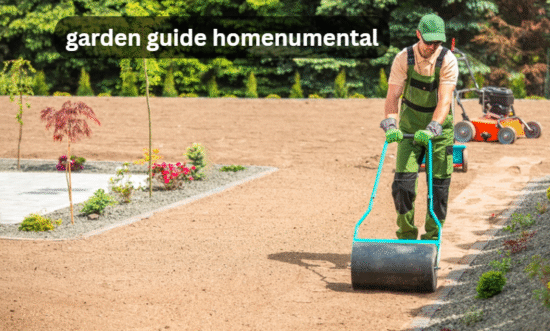
Healthy soil does not happen by accident. Clear out weeds and debris before you begin. Add compost or organic matter to improve texture and fertility. Work the soil gently so air and water can move through it.
Starting a compost bin is simple and pays off. Food scraps, leaves, and small clippings break down into rich material that improves your garden more than store bought products.
7. Watering and Irrigation
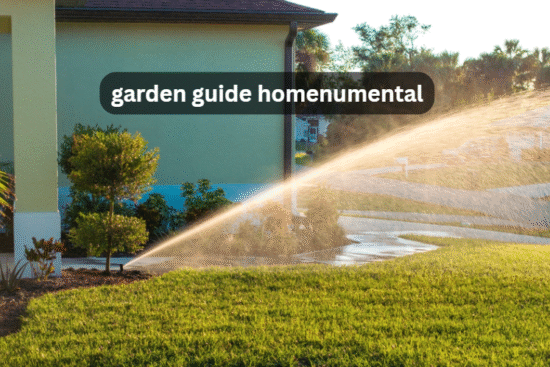
Good watering habits make plants stronger. This keeps plants steady during hot months. Shallow watering leads to weak roots and stress.
Use methods that save water when possible. A slow watering system or a simple hose placed at the base of plants works well. If you can store rainwater in a barrel, it provides a natural source for dry weeks. Check your soil before watering. Wet soil needs time to breathe. Dry soil needs attention.
8. Planting Successfully
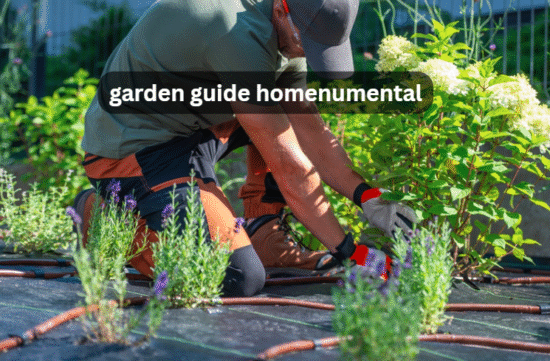
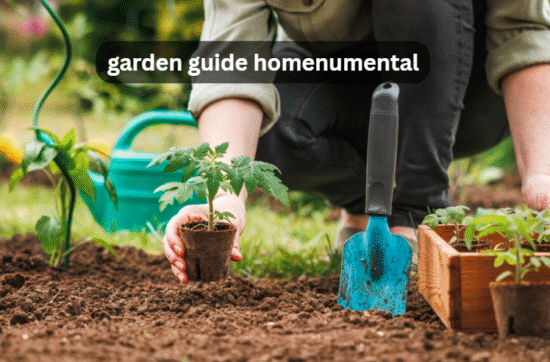
Planting is simple once you understand timing and spacing. Seeds need the right depth. Follow the instructions on the packet. Seedlings need a hole wide enough for the roots to spread.
Water right after planting so the soil settles around the roots. Young plants need a little extra attention for the first few weeks. A steady eye during this time helps them adjust.

9. Garden Maintenance
A garden stays healthy through small regular tasks. Pull weeds before they take over. Trim damaged or crowded branches. Feed plants with compost or organic fertilizer when needed.
For pests, start with natural methods. Some insects help your garden. Others can be controlled with simple solutions like neem spray or soapy water. Plants need space and airflow. Regular care reduces trouble before it becomes serious. Keep a routine that fits your schedule so the garden never feels overwhelming.
10. Garden Decor and Structural Features
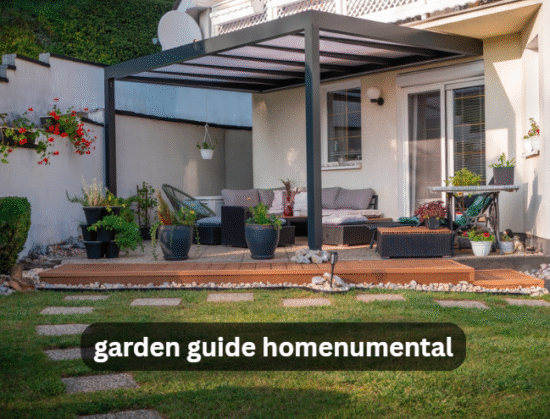
Simple features add comfort to your outdoor space. A small bench under a tree creates a quiet corner. A gravel path keeps your shoes clean and your plants safe. A single pot with a tall plant can change the feel of a whole area.
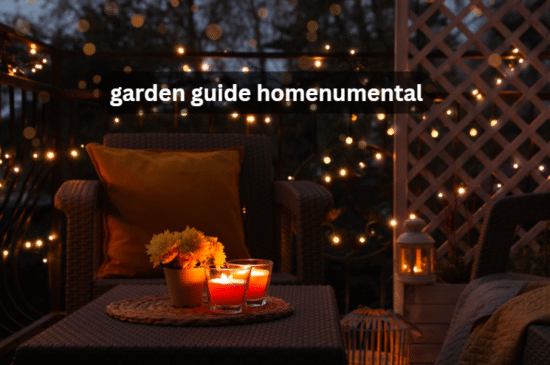
Lighting helps you enjoy the garden in the evening. Soft lights near a path or seating spot make the space feel warm without being bright. Use materials that blend with nature so the garden feels like one complete place.
11. Sustainable Gardening Practices
Sustainability is a steady part of the garden guide homenumental mindset. Rainwater storage reduces waste. Composting reduces trash and improves soil. Choosing plants that support insects and birds strengthens the environment around your home.
Skip strong chemicals when possible. Natural solutions protect both the soil and the creatures that help your garden grow. A sustainable garden lasts longer and needs fewer aggressive fixes.
12. Common Mistakes to Avoid
Many people water too often, plant too close together, or ignore soil quality. These habits create problems later. Some people skip mulch and end up fighting weeds constantly. Others choose plants without checking the sunlight in that area.
Mistakes happen, but they are easy to correct once you notice them. Slow down and observe your garden. You will see what works and what needs adjustment.
13. Small Space Gardening
Small patios and balconies can still follow the garden guide homenumental style. Containers make it easy to grow herbs, flowers, or small shrubs. Choose compact plants that handle tight spaces.
Vertical stands or shelves help you use height instead of ground space. A small chair or table turns even a tinyhouseplans area into a place where you can relax.
14. Tracking Growth and Learning Over Time
Pay attention to how your garden changes. Photos help you see progress. A small notebook helps you remember planting dates and maintenance routines. Over time you learn which plants thrive and which ones struggle.
This habit makes gardening easier each season. You start to understand your soil, your weather patterns, and the rhythm of your space. The homenumental method values learning as much as growing.
15. Bringing It All Together The HomeNumental Way
This garden guide homenumental gives you a steady path to create a space that grows with you. When you build your garden with intention, the space becomes more than a yard. It becomes a part of your life.
Start small. Stay consistent. Watch how your plants respond. Over time, your garden becomes a place that feels calm, lived in, and honest.