

Managing property in the United States is not simple anymore. Costs are rising. Tenants expect more. Small issues turn into expensive repairs if ignored. That is why many property owners are now paying attention to practical systems like info activepropertycare .com. It focuses on keeping things in order before problems grow.
This guide explains how you can manage property in a steady and realistic way. You will not find hype here. Just clear steps that work over time. The ideas are based on how experienced property managers think and act every day.
You will learn how to plan maintenance, control costs, and keep your property in good shape without stress. Each section builds on the next so you can apply it in real life. The goal is simple. Less chaos. Better results. Stronger long term value.
If you are a homeowner, landlord, or investor, these methods can help you stay ahead. And they all connect back to what info activepropertycare .com promotes which is steady, practical property care.
1.Build a Preventive Maintenance Routine
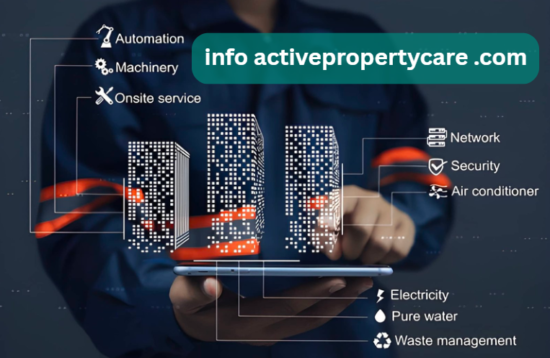
Property problems rarely appear overnight. Most start small and grow over time. A loose pipe. A cracked tile. A weak roof edge. Ignoring these leads to larger damage.
Info activepropertycare .com stresses early action. That means setting a schedule for checking key areas. Roof, plumbing, electrical, and HVAC systems should be reviewed often. This is called preventive property maintenance.
In many US homes, HVAC repairs alone can cost thousands. A simple inspection twice a year reduces that risk. The same applies to plumbing leaks which often stay hidden until damage spreads.
A practical approach works best. Walk through your property once a month. Keep notes. Fix small issues quickly. It saves money and time.
One thing many guides miss is the human side. Tenants notice when things are fixed early. It builds trust. They are more likely to report issues quickly instead of hiding them.
This approach connects closely with the mindset shared on the experts at activepropertycare .com. The focus stays on steady care instead of reactive repair.
2.Keep Clear Records of Every Repair
Good records make property management easier. Without them, you rely on memory. That leads to mistakes.
Every repair should be noted down. Date, cost, contractor, and details. This helps track patterns. If the same issue keeps happening, you know something deeper is wrong.
In the US, record keeping also helps with taxes. Maintenance costs can often be deducted. Without proof, you lose that benefit.
Many property owners now use simple digital tools. Even a spreadsheet works fine. The goal is clarity.
There is also a planning benefit. When you review past expenses, you can predict future costs. That helps with budgeting.
The Info at activepropertycare .com often highlights structured planning. Records are a big part of that. They turn guesswork into clear decisions.
A small insight here is that records also protect you in disputes. If a tenant claims something was never fixed, you have proof.
3.Plan Your Budget Before Problems Start
One of the main sources of stress in property management is unforeseen expenses. A roof repair or a malfunctioning water heater can rapidly cause financial disruption.
For this reason, preparation is important. Set aside a certain sum for upkeep each month.Many experts suggest one to three percent of property value each year.
Guide activepropertycare .com supports this idea of forward planning. It keeps property owners from reacting under pressure.
Think about seasonal costs too. Winter heating systems. Summer cooling repairs. These follow a pattern in most parts of the United States.
Making better decisions is another benefit of having a budget. Instead of choosing the cheapest fix, you can invest in quality work that lasts longer.
There is another angle many people miss. A stable budget reduces emotional decisions. When something breaks, you already know how to handle it.
This approach ties well with building dreams activepropertycare since long term planning supports long term goals.
4.Stay Consistent with Property Inspections
Regular inspections keep everything under control. They don’t have to be difficult. Just be reliable.
Walk through the property at set times. Quarterly inspections work well for most rentals. Check walls, ceilings, floors, and systems.
Tenants in the US expect privacy, so always give notice. Respecting this builds a better relationship.
platform activepropertycare .com highlights routine checks as a core practice. It prevents surprises.
Look for signs of wear. Small cracks, moisture, or unusual smells often signal deeper issues.
One insight worth noting is that inspections are not just about damage.They also assist you in comprehending the use of the property. This helps you see your long-term needs more clearly.
You can also connect this process with how to guides activepropertycare to learn better inspection methods over time.
5.Improve Safety and Compliance Standards
Safety is not optional. In the United States, property laws are strict.If they are not met, there may be penalties or legal issues.
Smoke detectors, carbon monoxide alarms, and fire exits must be in place. Electrical systems should meet local codes.
Resources activepropertycare .com promotes awareness of these requirements. It is not just about avoiding penalties. It is about protecting people.
A safe property attracts better tenants. It also reduces liability risks.
There is a deeper point here. Safety improvements often increase property value. Buyers and renters look for well maintained homes.
If you manage multiple properties, create a checklist. Review it regularly. This keeps everything aligned with current standards.
This idea also fits with the home activepropertycare approach which focuses on safe and stable living spaces.
6.Upgrade Features Slowly Over Time
You do not need a full renovation to improve property value. Small upgrades make a big difference.New lighting. Better fixtures. Fresh paint. These changes improve how a property feels.
Guidance activepropertycare .com supports steady improvement rather than sudden large projects.
In the US market, renters notice details. A clean and updated kitchen or bathroom often increases rental value.
Focus on areas that wear out quickly. Flooring and appliances are good starting points.
A unique insight here is timing. Upgrade between tenants when possible. It avoids disruption and allows better work quality.
Even small changes build long term value. Over time, your property stands out without major expense.
7.Take Care of Outdoor Spaces

Outdoor areas matter more than many think. First impressions often come from outside.Lawn care, drainage, and exterior walls should be maintained regularly. Poor drainage alone can damage foundations.
pro activepropertycare .com encourages attention to outdoor maintenance as part of overall care.
In many US neighborhoods, curb appeal affects property value directly. A clean exterior attracts better tenants.
There are also practical concerns. Overgrown plants can damage structures. Poor lighting increases safety risks.
A small but useful idea is to think about space use. Even simple setups can improve value. Some owners explore options like where do you park tiny houses to maximize land use.
Outdoor care is not just visual. It protects the structure and supports long term stability.
8.Work with Reliable Professionals

Not every task should be done alone. Skilled professionals save time and prevent costly mistakes.Electricians, plumbers, and contractors bring experience. They handle issues correctly the first time.
Focus activepropertycare .com highlights the value of expert help when needed.
In the US, some jobs legally need licensed people. It’s really just to keep things safe and avoid trouble later.
When you hire someone, don’t rush it. Check a bit first. See what people say about them, make sure they’re actually licensed, and just get the price clear before you agree.
Honestly, it helps a lot if you don’t keep changing contractors. If someone already knows your place, everything goes smoother. They don’t need things explained again, and mistakes usually drop too.
If you ever need direct support, you can explore contact activepropertycare .com for guidance.
Understand Property Layout and Design Choices
Design affects maintenance more than people expect. A well planned layout is easier to manage.Simple designs reduce repair complexity. Open access to systems makes inspections easier.Design activepropertycare .com often connects design with long term care.
In the US, smaller efficient homes are gaining attention. Many owners explore small farmhouse plans to reduce maintenance costs while keeping comfort.
There is also a cost benefit. Simpler layouts often require fewer repairs over time.
Think about how space is used. Efficient design reduces wear and tear.
This is not just about new properties. Even small adjustments in existing spaces can improve usability.
Focus on Energy Efficiency Improvements
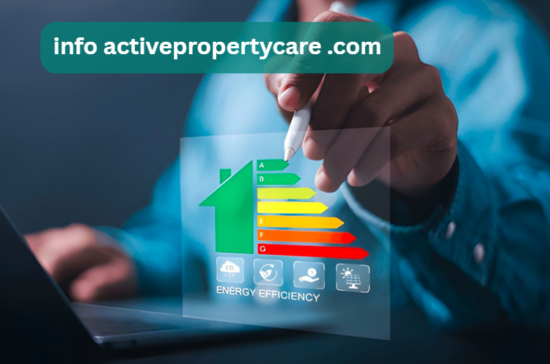
Energy bills can quietly eat into property profits, especially in the US where heating and cooling run most of the year.
A lot of people ignore small issues like air leaks or old insulation, but that is usually where the money goes. info activepropertycare .com pushes the idea of fixing small things early instead of waiting for big repairs.
Simple stuff matters. Sealing windows that leak air. Getting the HVAC checked once in a while. Using LED lights instead of old bulbs.
What most owners notice later is that bills stop jumping around. Things become more steady. That alone makes planning easier.
Tenants also feel the difference. A place that stays comfortable without high utility costs is easier to keep occupied.
So it is not really about big upgrades.
Conclusion
Managing property well is not complicated. It just requires steady effort and clear thinking. The ideas shared through info activepropertycare .com focus on real world action. Not theory.
When you stay consistent with maintenance, plan your budget, and keep records, problems become easier to handle. You avoid sudden stress and protect your investment.
These methods work because they are simple. Anyone can apply them. The key is to stay consistent.
Over time, your property becomes more stable, more valuable, and easier to manage. That is the real goal.