

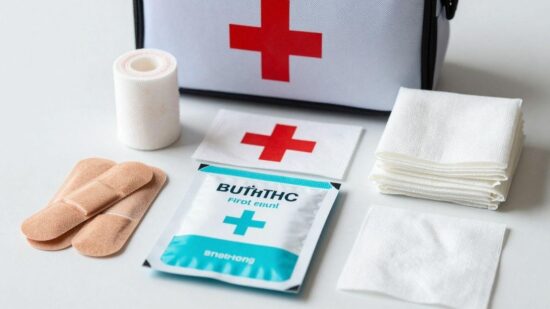
Knowing your workplace’s hazard classification is the first step in picking the right first aid supplies. It’s not just about having a kit; it’s about having the right kit for the job. Different environments present different risks, and your first aid preparedness should be tailored accordingly.
Low-Risk Office and Retail Environments
These are places where serious injuries are unlikely. Think typical office buildings, small shops, or administrative centers. The main concerns here are usually minor cuts, scrapes, or perhaps a sprained ankle. A basic first aid kit is often sufficient, but it’s still important to have one readily available.
Moderate-Risk Manufacturing and Industrial Settings
In manufacturing plants or light industrial areas, the potential for injuries increases. Workers might face risks like machinery-related incidents, burns, or more significant cuts. This means you’ll likely need more than just a basic kit. Having supplies for moderate injuries and perhaps a trained attendant becomes more important.
High-Risk Construction and Heavy Industry
Construction sites and heavy industry are where the stakes are highest. The work involves heavy machinery, heights, and potentially hazardous materials. Injuries can be severe, ranging from deep lacerations and fractures to serious burns or crush injuries. A robust first aid plan, including advanced supplies and well-trained personnel, is non-negotiable.
Remote or Isolated Worksite Considerations
When your worksite is far from immediate medical help, the situation changes dramatically. This applies to remote construction sites, field research stations, or any location where emergency services take a long time to arrive. Your first aid kit needs to be more comprehensive, and your personnel must be equipped to handle emergencies for extended periods. The hazard classification here is amplified by the distance factor.
Assessing Your Specific First Aid Needs
Determining Your Workplace Hazard Rating
Figuring out your workplace’s hazard rating is the first big step. It’s not just a formality; it directly impacts what kind of first aid supplies you’ll need. Think about the daily operations. Are you in a quiet office where paper cuts are the biggest worry, or a factory floor where heavy machinery is the norm? This rating helps classify your environment, from low-risk office settings to high-risk construction zones. You need to know this rating to get the right supplies.
Accounting for the Number of Workers On-Site
Beyond the general hazard, you’ve got to count heads. The number of people working at your site at any given time is a major factor. A small team of five will have different first aid requirements than a bustling site with fifty employees. This number directly influences the quantity and type of supplies in your kit. It’s about making sure there’s enough for everyone, no matter how many people are present.
Evaluating Accessibility and Remote Status
Where are you located? This is another piece of the puzzle. If your workplace is far from emergency services, say 30 minutes or more, it’s considered remote. This status means you’ll likely need more advanced supplies and potentially more trained personnel on-site. Being prepared for longer wait times for professional help is key when assessing your first aid needs. This evaluation is part of a thorough first aid assessment.
A proper first aid assessment considers all these factors: the inherent risks of the work, the number of people who might need help, and how quickly that help can arrive from outside.
Here’s a quick look at how these factors play a role:
- Hazard Rating: Low, Moderate, High.
- Worker Count: From a few to many.
- Remote Status: Close to services or far away.
Remember, conducting a first aid assessment is not a one-off task. It’s something that needs to be revisited, especially if your workplace changes. This proactive approach helps maintain a safe environment for everyone.
Essential First Aid Supplies for General Workplaces
Basic First Aid Kit Contents
Every workplace needs a foundational first aid kit. This basic kit is the first line of defense for minor injuries. Think of it as the minimum requirement for any office or shop floor. It should contain items to handle cuts, scrapes, and small burns.
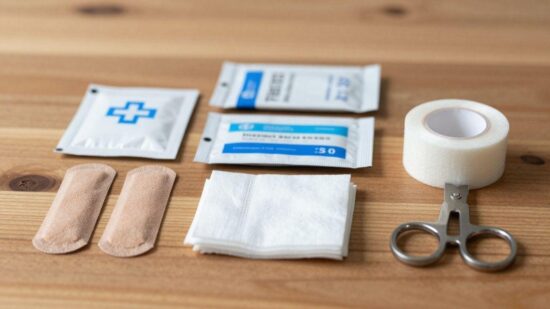
Key items include assorted adhesive bandages, sterile gauze pads of various sizes, adhesive tape, and antiseptic wipes. Safety pins are useful for securing bandages. A pair of scissors for cutting tape or gauze is also a must. Don’t forget disposable gloves to protect both the injured person and the first aider.
A well-stocked basic first aid kit is non-negotiable for workplace safety. It’s about being prepared for the common, everyday incidents that can happen when people are working. Having these supplies readily available can prevent minor issues from becoming bigger problems.
Intermediate First Aid Kit Additions
For workplaces with a slightly higher risk or more employees, an intermediate kit builds upon the basic one. This level acknowledges that more serious injuries might occur. It includes everything in the basic kit, plus items for more significant wounds or burns.
Consider adding larger sterile dressings, burn dressings, and eye wash solutions. A CPR mask or face shield is a vital addition for administering CPR safely. Elastic bandages for sprains and strains are also helpful. Tweezers for removing splinters or debris are another useful component.
An intermediate first aid kit provides a more robust response capability. It’s about having the right tools for a wider range of potential injuries. This step up in preparedness is important for many moderate-risk environments.
Advanced First Aid Kit Components
An advanced first aid kit is for environments with high-risk activities or a large number of workers. This kit goes beyond basic wound care and CPR. It includes specialized items for more severe trauma or specific industrial hazards. The contents here are designed for more critical situations.
This might include items like a tourniquet for severe bleeding, instant cold packs for sprains and strains, and possibly splinting materials. A first aid guide with detailed instructions is also crucial. The goal is to stabilize serious injuries until professional medical help arrives.
- Tourniquets
- Instant cold packs
- Splinting materials
- Advanced wound dressings
Having an advanced first aid kit means being ready for the most serious emergencies. It’s a significant investment in employee safety, especially in high-risk industries. This kit is a critical part of a comprehensive safety plan.
Industry-Specific First Aid Kit Customization
Construction Industry Add-Ons
Construction sites present unique challenges. Think about burns from hot materials or eye injuries from debris. So, beyond the standard kit, add burn dressings and eye wash solutions. These are vital for immediate care on a busy site. Having these specific items ready can make a big difference in an emergency.
Food Industry Requirements
In food processing or handling environments, hygiene is paramount. Blue detectable bandages are a must-have. They are easily spotted if they accidentally fall into food products. This simple addition helps maintain safety and compliance in the food industry. It’s a small step with significant impact.
Chemical Handling Safety Supplies
Workplaces dealing with chemicals need specialized gear. This includes neutralizing skin and eye washes. These are critical for flushing contaminants quickly and safely. Proper chemical handling safety supplies are not optional; they are a necessity for worker protection. Always assess the specific chemicals used on-site.
Customizing your first aid kit for your industry isn’t just about having more supplies; it’s about having the right supplies. This targeted approach ensures you’re prepared for the most likely accidents in your specific work environment, making your first aid response more effective.
Here’s a quick look at some industry-specific additions:
- Construction: Burn dressings, eye wash stations, heavy-duty gloves.
- Food Service: Blue detectable bandages, antiseptic wipes, hand sanitizer.
- Chemical Labs: Neutralizing solutions, specialized eye wash, chemical-resistant gloves.
Maintaining Compliance with First Aid Regulations
Keeping your workplace first aid setup current isn’t a one-time task; it’s an ongoing process. Regulations change, and so do workplace needs. Staying compliant means regularly checking and updating your supplies and procedures to match current standards. This proactive approach helps prevent issues and keeps everyone safer.
Regularly Reviewing Hazard Ratings
Workplace environments aren’t static. What was low-risk last year might have different challenges now. It’s smart to make a habit of looking over your workplace’s hazard rating at least annually. This review helps you spot any new risks or changes that might affect the first aid supplies you need. A simple check can make a big difference in preparedness.
Monitoring Workforce Size Changes
As your business grows or shrinks, so does the number of people on-site. This directly impacts how many first aid kits you need and what kind. If you hire more staff, you’ll likely need to increase your first aid coverage. Keeping track of your workforce size is key to maintaining compliance with regulations that often tie kit requirements to employee numbers.
Staying Updated on Regulatory Guidelines
Government bodies and safety organizations frequently update their guidelines for workplace first aid. It’s important to keep an eye on these changes. Not knowing about a new rule can lead to non-compliance, which can result in fines or, worse, inadequate care during an emergency. Make it a point to check official sources periodically for any updates that might affect your workplace.
Checking Expiration Dates of First Aid Supplies
First aid items, like medications and sterile dressings, don’t last forever. They have expiration dates. Regularly inspecting your first aid kits to check these dates is vital. Expired supplies might not work as well or could even cause harm. A good practice is to check kits at least four times a year, replacing anything that’s past its prime. This ensures your kits are always ready when needed.
Keeping your first aid program up-to-date is not just about following rules; it’s about genuinely protecting your team. Regular reviews and updates demonstrate a commitment to safety that benefits everyone.
Here’s a quick checklist for maintaining compliance:
- Schedule regular hazard assessment reviews.
- Update first aid kit inventory based on current employee numbers.
- Subscribe to safety alerts from relevant regulatory bodies.
- Conduct quarterly checks of all first aid kits for expired or used items.
- Document all checks and replacements made to your first aid supplies.
Beyond the Kit: First Aid Procedures and Records
Developing Written First Aid Procedures
Having the right supplies is only half the battle. You also need a clear plan for how to use them. Written first aid procedures act as a roadmap for your team during emergencies. They outline who does what, how to contact help, and what steps to take for common injuries.
A well-documented procedure is key to a swift and effective response. This plan should be easily accessible to all workers. Regularly reviewing and updating these procedures keeps them relevant. It’s also a good idea to conduct drills to test how well everyone understands and can follow the established first aid procedures.
Conducting and Documenting First Aid Assessments
Before you even stock a kit, you need to assess your workplace. This means looking at the types of hazards present and the number of people on site. A thorough first aid assessment helps determine the right level of supplies and training needed.
This assessment isn’t a one-time thing. It should be revisited periodically, especially if your workplace changes. Documenting this first aid assessment is vital for compliance and for making informed decisions about your first aid setup. It helps justify the resources allocated to first aid.
Maintaining First Aid Treatment Records
Every incident, no matter how minor, should be recorded. Maintaining first aid treatment records is a legal requirement and a smart practice. These records provide a history of injuries and treatments within your workplace.
They can help identify trends or recurring issues that might need further attention. Keep these records for at least three years. Access should be limited to those who have a legitimate need to review them. Proper record-keeping is a critical part of your overall first aid management system.
Putting It All Together
So, picking the right first aid kit isn’t just about grabbing a box off the shelf. It really comes down to looking at where you work and what kind of risks are around. Think about how many people are there, how far away help is, and what kind of work is actually happening. By taking a little time to figure this out, you can make sure you have what you need to handle things if an accident happens. It’s about being prepared, plain and simple, and keeping everyone safer.